

About Sonapur Minerals & Oil Ltd.
Blogs
Vastu Tips for Staircase in Nepal: Direction, Design, and Construction Guidelines
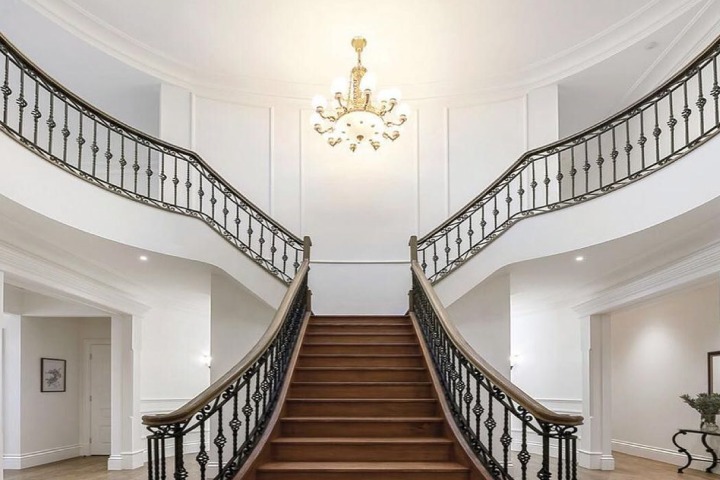
In Nepal, many homeowners follow Vastu principles while designing their homes. Among all structural elements, the staircase plays a very important role in energy movement inside a building. A poorly placed staircase can disturb balance and harmony, while a properly designed staircase supports stability, health, and prosperity.
This guide explains the most important Vastu tips for staircase placement, direction, design, and construction, especially for residential houses in Nepal.
Best Direction for Staircase as per Vastu
Direction is the most important factor when constructing a staircase.
External Staircase Directions
- Southeast direction facing east
- Southwest direction facing west
- Northwest direction facing north
- Southwest direction facing south
These directions are considered suitable for external staircase construction.
Internal Staircase Direction
Staircases should ideally be constructed in the South, West, or Southwest part of the house. Avoid placing stairs in the North-East corner, as this direction is considered sacred and should remain light and open.
Correct Staircase Movement Direction
According to Vastu, stairs should always begin:
- From north to south, or
- From east to west
If space is limited, the staircase may take a turn to another side. However, the initial movement should follow the recommended direction.
If a linear staircase is constructed (inside or outside the house), it must begin from north to south or east to west before changing direction.
Odd Number of Steps Rule
Vastu strongly recommends that staircases must always have an odd number of steps.
- Total number of steps should never end with zero
- For example: 9, 11, 15, 17 steps are considered favorable
Additionally, the vertical set of stairs should also have an odd number. When the total number of steps is divided by three, the remainder should be two.
This numerical balance is believed to support positive energy flow.
Avoid Circular Staircases
Circular staircases are not recommended as per Vastu principles.
They are believed to:
- Cause health-related issues
- Disturb energy balance
- Create instability in the household
Similarly, a staircase encircling the building is considered inauspicious and may lead to serious problems.
Staircase in Basement: Southwest Warning
A room with a staircase in the Southwest corner of a basement is considered inauspicious.
According to Vastu beliefs, this may lead to:
- High blood pressure
- Undiagnosed illnesses
- Anemia and chronic health issues
Careful planning is essential when designing basement staircases.
Doors at the Beginning and End of Staircase
It is considered beneficial to construct doors at both the beginning and the end of each staircase.
This practice:
- Controls energy flow
- Maintains privacy
- Improves safety
Additionally, stairs should not directly touch the northern or eastern walls.
Staircase Visibility and Placement
Staircases should not be directly visible from the main entrance.
Openly visible stairs are considered inauspicious as they may:
- Lead to financial imbalance
- Disturb privacy
- Create visual discomfort
Design the staircase in such a way that it is partially concealed from direct view.
Do Not Build Important Rooms Under Stairs
Rooms such as:
- Bathroom
- Kitchen
- Pooja room
Should never be constructed under a staircase.
The space under stairs can only be used as a storage room.
Repair Broken Stairs Immediately
Broken or damaged stairs must be repaired instantly.
Damaged steps may lead to:
- Accidents
- Tensions in family
- Negative energy accumulation
Maintaining staircase safety is both a practical and Vastu requirement.
Colors According to Vastu for Staircase
Color selection also influences energy balance.
Recommended colors:
- Light shades
- Soft neutral tones
Avoid completely:
- Red
- Black
Light colors create calmness and positivity.
Spiritual Alignment While Worshipping
During worship, the legs of the idol should be at the chest level of the person worshipping, whether standing or sitting. This ensures proper alignment and spiritual balance within the home.
Structural Strength and Vastu Together
While following Vastu guidelines, structural safety should never be compromised. Staircases must be constructed using high quality cement and proper reinforcement to ensure durability.
Strong cement ensures:
- Stable load-bearing performance
- Long-term durability
- Reduced cracking risk
Sona Cement, produced by Sonapur Minerals & Oil Ltd., provides reliable strength suitable for staircase construction in residential buildings across Nepal.
Conclusion: Balanced Design Brings Stability
A staircase is more than just a structural element—it represents upward growth and movement in life. Following Vastu tips for staircase direction, step count, placement, and color helps maintain harmony within the home.
By combining proper Vastu planning with strong construction materials and quality cement, homeowners in Nepal can build safe, balanced, and long-lasting houses that support both structural stability and positive energy.