

About Sonapur Minerals & Oil Ltd.
Blogs
Understanding Cement Strength Grades in Nepal: What They Mean for Your Construction
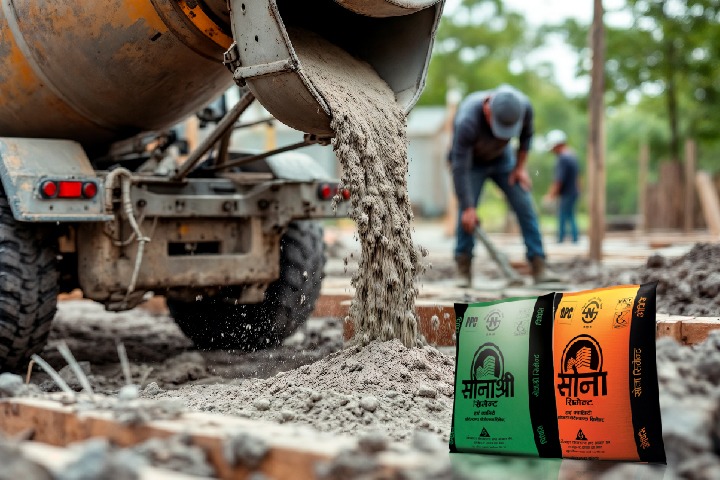
When buying cement in Nepal, many homeowners and builders focus mainly on brand and price, but overlook one of the most critical technical factors: cement strength grade. This single parameter plays a major role in determining how strong, durable, and safe a structure will be—especially in Nepal’s challenging conditions of earthquakes, monsoon rains, and diverse terrain.
This blog explains what cement strength grades mean, why they matter in Nepali construction, and how to choose the right grade for foundations, RCC structures, slab casting, and masonry work using high quality cement from a reliable Nepali cement company like Sona Cement.
What Is Cement Strength Grade?
Cement strength grade refers to the compressive strength of cement mortar measured after a specific curing period, usually 28 days. It indicates how much load the cement can withstand once fully hardened.
In simple terms:
- Higher grade = higher strength
- Higher strength = better load-bearing capacity
- Better load-bearing = safer and more durable structures
Strength grades help engineers and builders match the right cement to the right application instead of using one type everywhere.
Common Cement Strength Grades Used in Nepal
In cement manufacturing in Nepal, strength grades generally align with national and international standards. The most commonly used grades are associated with OPC and PPC cement.
OPC Cement Strength Grades
Ordinary Portland Cement is typically available in higher strength grades and is widely used for structural work.
- 43 Grade OPC: Suitable for general RCC work, residential slabs, beams, and columns
- 53 Grade OPC: Higher early strength, ideal for heavy RCC structures and infrastructure projects
OPC cement Nepal is preferred when early strength gain is important, such as in multi-storey buildings or time-sensitive projects.
PPC Cement Strength Characteristics
Portland Pozzolana Cement does not focus on high early strength but delivers excellent long-term performance.
- Moderate early strength
- Higher strength gain over time
- Improved durability and crack resistance
PPC cement Nepal is commonly used for foundations, masonry work, plastering, and earthquake-resistant house construction.
Why Cement Strength Grade Matters in Nepal
Nepal’s construction environment places unique demands on cement performance.
Seismic Safety
Buildings in earthquake zones require cement that can work effectively with steel reinforcement. Adequate strength ensures better bonding and reduced risk of sudden failure during seismic activity.
Monsoon Durability
Heavy rainfall and moisture exposure demand cement with stable long-term strength. Cement with poor strength development often leads to cracks, surface scaling, and water seepage.
Load-Bearing Requirements
From sloped hill-side houses to RCC frames in urban areas, structures in Nepal face uneven loads. Using the correct cement strength grade ensures proper load distribution.
Matching Cement Strength Grade with Construction Work
Using the right cement for the right purpose improves safety and cost efficiency.
Foundation Work
Foundations require durable cement with good long-term strength rather than quick setting.
- PPC cement or balanced OPC cement
- Better resistance to moisture and soil conditions
RCC Structures (Columns, Beams, Slabs)
RCC work demands higher strength cement to work effectively with reinforcement steel.
- OPC cement with appropriate strength grade
- Consistent quality and fineness
Masonry and Plastering
Very high strength cement is not always necessary.
- PPC cement provides better workability
- Reduced shrinkage cracks in plaster
This balanced approach helps builders avoid overuse of cement while maintaining quality.
Strength Grade vs Concrete Strength: Common Confusion
Many people assume that higher cement grade automatically means stronger concrete. This is not always true.
Concrete strength depends on:
- Cement strength grade
- Water-cement ratio
- Aggregate quality
- Mixing and curing practices
Even the best cement in Nepal cannot deliver high strength if mixed with excess water or poorly cured.
Importance of Quality Control in Cement Strength
Cement strength grade must be consistent from bag to bag. This consistency depends on strict quality control in cement plants.
Reliable cement factories in Nepal focus on:
- Controlled cement composition
- Uniform fineness and setting time
- Regular laboratory testing
- Stable performance across batches
Sona Cement, produced by Sonapur Minerals & Oil Ltd., follows systematic quality control processes to ensure dependable strength development for Nepali construction needs.
How to Choose the Right Cement Strength Grade in Nepal
Before purchasing cement, consider the following:
- Type of structure (house, RCC building, infrastructure)
- Structural load requirements
- Exposure to moisture and weather
- Engineer or consultant recommendations
A proper cement buying guide in Nepal always prioritizes technical suitability over brand popularity alone.
Common Mistakes Related to Cement Strength Grade
Some frequent errors seen on construction sites include:
- Using high-grade cement for all work unnecessarily
- Ignoring curing time and water control
- Using expired cement for structural work
- Assuming faster setting means stronger concrete
Avoiding these mistakes improves structural performance and reduces long-term repair costs.
Conclusion: Strength That Builds Confidence
Cement strength grade is not just a technical term—it directly affects safety, durability, and peace of mind. In Nepal’s seismic and climatic conditions, choosing the correct cement strength grade is essential for responsible construction.
By selecting high quality cement from a trusted Nepali cement company like Sona Cement and matching strength grades to specific construction needs, builders and homeowners can ensure strong, long-lasting structures that stand firm for generations.