

About Sonapur Minerals & Oil Ltd.
Blogs
Proper Cement Storage and Handling in Nepal’s Climate: A Complete Practical Guide
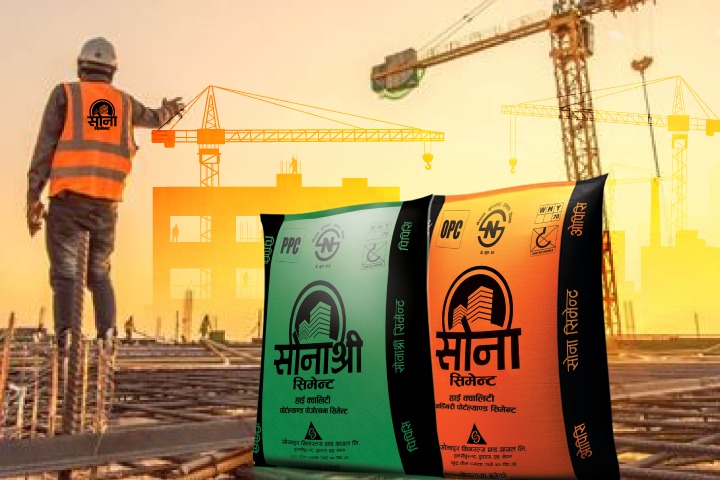
In Nepal, many construction problems blamed on “bad cement” are actually caused by improper storage and handling. From humid Terai plains to monsoon-heavy hill regions and cold mountain areas, Nepal’s climate creates serious challenges for maintaining cement quality on-site. Even high quality cement can lose strength if it absorbs moisture before use.
This blog explains why correct cement storage and handling are essential in Nepal, how climate affects cement performance, and practical site-level solutions to ensure strong, durable, and reliable construction using trusted products like Sona Cement.
Why Cement Storage Matters More Than You Think
Cement is a hydraulic binding material that reacts chemically with water. This reaction, known as cement hydration, should only occur after mixing at the construction site. If cement absorbs moisture during storage, hydration begins prematurely, leading to loss of strength and poor bonding.
Improper storage can result in:
- Lumps and partial hardening in cement bags
- Reduced compressive strength of concrete
- Weak plaster and masonry work
- Higher cement consumption to achieve desired strength
This is why cement storage and handling are critical, especially when working with durable cement for house construction in Nepal.
Impact of Nepal’s Climate on Cement Quality
Nepal’s diverse geography creates varying environmental conditions that directly affect cement performance.
Terai Region
High humidity and extended monsoon periods increase the risk of moisture absorption. Cement stored directly on floors or near walls quickly deteriorates.
Hill and Valley Areas
Frequent rainfall, temperature variation, and damp ground conditions require careful protection of cement bags from both water and humidity.
Mountain Regions
Cold temperatures slow hydration, but improper storage can still cause moisture damage, especially when cement is exposed to snow or condensation.
Regardless of location, cement manufacturing in Nepal follows strict quality standards, but site-level care determines final performance.
Ideal Conditions for Cement Storage on Construction Sites
To preserve cement quality, basic storage principles must always be followed.
- Store cement in a dry, moisture-free room
- Keep bags on raised wooden pallets
- Maintain at least 300 mm clearance from ground
- Avoid direct contact with walls
- Cover stacks with waterproof sheets during monsoon
These steps help maintain cement fineness, setting time, and strength grade until use.
Correct Stacking Method for Cement Bags
Improper stacking increases pressure on lower bags and exposes cement to moisture.
Recommended stacking practices:
- Maximum stack height of 10 bags
- Use cross-stacking for stability
- Leave space between stacks for air circulation
- Label stacks with delivery date
Following the FIFO (First In, First Out) method ensures older cement is used first, reducing the risk of expired or weakened cement in RCC structures.
Handling Cement During Transportation
Cement quality can degrade even before reaching the site if transportation is careless.
Key precautions include:
- Use covered vehicles during transport
- Avoid loading cement with wet materials
- Unload immediately upon arrival
- Inspect bags for damage or moisture stains
Reliable Nepali cement companies focus on proper logistics, but last-mile handling is equally important for maintaining cement strength.
How Long Can Cement Be Stored Safely?
Cement is not meant for indefinite storage. Over time, even under good conditions, its reactivity reduces.
General guidelines:
- Use cement within 3 months for critical RCC work
- Check setting time and lump formation if stored longer
- Avoid using old cement for foundation or slab casting
Using fresh cement ensures proper bonding and higher durability, especially for earthquake-resistant buildings in Nepal.
Common Storage Mistakes Seen on Nepali Construction Sites
Despite awareness, several mistakes are still common:
- Storing cement directly on soil or concrete floors
- Leaving bags uncovered during rainfall
- Mixing new and old cement stocks
- Using partially hardened cement to save cost
These practices reduce structural safety and increase long-term maintenance costs.
Why Quality Cement Needs Proper Care
High quality cement from a trusted cement factory in Nepal is manufactured under controlled conditions with strict quality control. However, its performance depends on how it is handled after delivery.
Sona Cement, produced by Sonapur Minerals & Oil Ltd., is designed to deliver consistent strength and durability, but correct storage ensures that its full technical potential is achieved on-site.
Practical Tips for Homeowners and Small Builders
If you are building a house or small structure:
- Buy cement in phases instead of bulk storage
- Inspect storage conditions daily during monsoon
- Consult masons about correct handling
- Never compromise on cement quality for savings
These small steps significantly improve construction quality and longevity.
Conclusion: Strong Construction Starts with Proper Cement Care
Cement is the foundation of every concrete structure, but its strength begins long before mixing. In Nepal’s challenging climate, proper storage and handling are essential to maintain cement quality, durability, and safety.
By following correct practices and choosing a reliable cement brand like Sona Cement, builders and homeowners can ensure strong, long-lasting construction that performs well across seasons. Quality cement deserves quality care—and the results will stand strong for decades.