

About Sonapur Minerals & Oil Ltd.
Blogs
Plastering Cement in Nepal: How to Achieve Crack-Free and Durable Wall Finishes
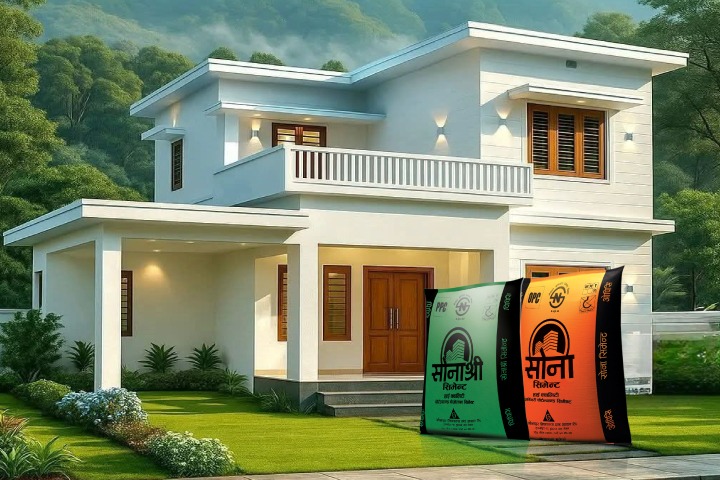
Plastering is one of the final and most visible stages of construction. A smooth and crack-free wall finish not only enhances the appearance of a building but also protects it from moisture, dust, and environmental damage. In Nepal’s monsoon-prone and seismic environment, selecting the right plastering cement and applying it correctly is essential for long-term durability.
Many homeowners focus heavily on structural cement for RCC work but overlook the importance of quality cement in plastering. However, poor plastering materials and techniques often result in cracks, damp patches, and peeling surfaces.
Why Plastering Cement Matters
Plaster acts as a protective layer over masonry and concrete surfaces. It shields walls from:
- Moisture penetration during monsoon
- Surface cracking due to temperature changes
- Dust and environmental exposure
- Minor structural movement
Using durable cement ensures that plaster remains intact for many years.
Best Cement for Plastering in Nepal
Both OPC cement Nepal and PPC cement Nepal are used for plastering, but PPC cement is generally preferred for wall finishes.
PPC Cement Nepal for Plastering
Portland Pozzolana Cement offers several advantages for plastering work:
- Better workability and smooth finish
- Reduced shrinkage cracks
- Improved long-term durability
- Better resistance to moisture
Its gradual strength development helps minimize surface defects.
OPC Cement Nepal for Plastering
Ordinary Portland Cement can also be used, especially where faster setting is required. However, it requires strict water control to avoid shrinkage cracks.
Common Causes of Cracks in Plaster
Cracks in plaster are common in Nepal, especially after the monsoon season. Major causes include:
- High water-cement ratio
- Improper curing
- Poor surface preparation
- Use of low-quality cement
- Rapid drying in hot weather
Understanding these causes helps prevent future repairs.
Importance of Proper Surface Preparation
Before plastering, surfaces must be prepared correctly.
- Clean the wall of dust and loose particles
- Moisten the surface lightly before applying plaster
- Ensure good bonding between old and new surfaces
Proper preparation improves adhesion and durability.
Correct Water-Cement Ratio in Plaster
Adding excess water to improve workability is a common mistake.
Too much water can:
- Reduce plaster strength
- Increase shrinkage cracks
- Make the surface porous
Maintaining proper mix proportions ensures better performance.
Role of Curing in Plaster Durability
Curing is essential even for plastered surfaces.
- Begin curing within 24 hours of application
- Maintain moisture for at least 5–7 days
- Avoid rapid drying in hot weather
Proper curing supports complete cement hydration and reduces cracking.
Plastering and Monsoon Protection
Nepal’s heavy rainfall makes moisture resistance a key factor.
Durable plastering cement:
- Reduces water absorption
- Prevents damp patches
- Improves surface longevity
Good drainage and roof overhangs further protect walls.
Plastering in Earthquake-Prone Areas
Minor structural movement during earthquakes can cause surface cracks.
Using quality cement with good bonding properties helps:
- Reduce crack formation
- Maintain wall integrity
- Enhance durability under stress
Strong bonding improves resilience in seismic zones.
Quality Control in Cement Manufacturing
Consistent plaster quality depends on reliable cement production.
Reliable cement manufacturing in Nepal ensures:
- Balanced cement composition
- Controlled fineness
- Stable setting time
- Consistent strength development
These factors contribute to smooth and durable plaster finishes.
Why Choose a Reliable Nepali Cement Brand
Plastering may seem like a minor stage, but it significantly impacts a building’s appearance and protection.
Sona Cement, produced by Sonapur Minerals & Oil Ltd., offers consistent quality suitable for plastering, masonry, and structural applications. Its reliable performance helps achieve crack-resistant and long-lasting wall finishes.
Practical Tips for Builders and Homeowners
- Use PPC cement for most plastering work
- Maintain correct mix proportions
- Ensure proper curing
- Avoid plastering during heavy rainfall
- Inspect walls regularly during monsoon
Following these practices improves both durability and appearance.
Conclusion: Smooth Walls Start with the Right Cement
Plastering is more than just a finishing step—it is a protective layer that shields the building from environmental damage. In Nepal’s humid and earthquake-prone conditions, choosing the right plastering cement and following proper application methods is essential.
By using high quality cement from a trusted Nepali cement company like Sona Cement and ensuring proper curing and surface preparation, builders and homeowners can achieve strong, crack-free, and durable wall finishes that last for years.