

About Sonapur Minerals & Oil Ltd.
Blogs
OPC vs PPC Cement: Which Is Best for House Construction in Nepal?
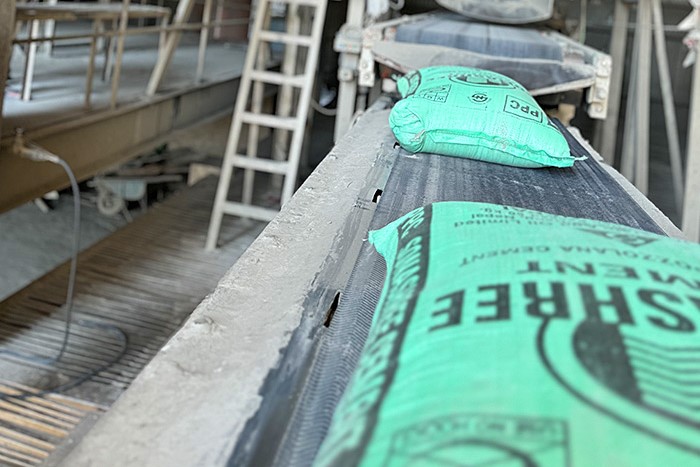
Choosing the right cement is one of the most critical decisions in house construction in Nepal. With diverse geography, frequent seismic activity, heavy monsoon rains, and wide temperature variations, the performance of cement directly affects the strength, durability, and safety of a building.
Among the available options, OPC (Ordinary Portland Cement) and PPC (Portland Pozzolana Cement) are the two most commonly used types. Many homeowners, engineers, and contractors often ask: Which cement is best for house construction in Nepal—OPC or PPC?
This blog provides a clear, practical, and Nepal-focused comparison to help you make an informed decision, while also explaining how a trusted Nepali cement brand like Sonacement (Sona Cement) addresses these construction needs.
Understanding OPC and PPC Cement
Before comparing performance, it is important to understand what OPC and PPC cement are made of and how they behave.
What Is OPC Cement?
Ordinary Portland Cement (OPC) is produced by grinding clinker and gypsum. It is known for:
- High early strength
- Faster setting time
- Strong initial load-bearing capacity
In Nepal, OPC cement is often preferred for structural components that require quick strength gain, especially in RCC structures.
What Is PPC Cement?
Portland Pozzolana Cement (PPC) is made by blending OPC clinker with pozzolanic materials such as fly ash. PPC cement offers:
- Slower strength development
- Better long-term durability
- Improved resistance to moisture and chemicals
PPC cement is widely used in residential construction across Nepal due to its adaptability to local environmental conditions.
Nepal’s Construction Conditions: Why Cement Choice Matters
Nepal’s construction environment is unique and demanding. Cement selection must consider local challenges, not just laboratory strength.
Key factors include:
- Seismic risk: Nepal lies in a high earthquake zone
- Monsoon climate: Prolonged exposure to moisture and humidity
- Terrain diversity: From Terai heat to hilly and mountainous cold
- Construction practices: Mix of engineered and semi-engineered buildings
A high quality cement used in Nepal must ensure both strength and durability, not just fast setting.
OPC vs PPC Cement: Performance Comparison for House Construction
Strength Development and Structural Use
- OPC Cement
- Gains strength quickly in early days
- Suitable for columns, beams, and slabs where early load application is required
- Commonly used in RCC structures
- PPC Cement
- Gains strength gradually over time
- Achieves excellent long-term compressive strength
- Ideal for masonry work, plastering, and foundation concrete
For earthquake-resistant buildings, long-term strength and crack control are as important as early strength.
Durability in Nepal’s Monsoon Climate
Moisture resistance is crucial in Nepal, especially during the monsoon season.
- OPC Cement
- More prone to micro-cracks if curing is inadequate
- Can be sensitive to moisture ingress over time
- PPC Cement
- Lower heat of hydration
- Better resistance to water penetration and chemical attack
- Reduced risk of shrinkage cracks
For houses exposed to continuous rain and humidity, PPC cement often provides better durability.
Workability and On-Site Performance
On many construction sites in Nepal, skilled labor and precise curing conditions may not always be available.
- PPC Cement
- Better workability
- Smoother finish for plastering
- More forgiving during mixing and curing
- OPC Cement
- Requires stricter curing control
- Faster setting can be challenging in hot weather
For general house construction, PPC cement offers more practical advantages.
Which Cement Is Best for Different House Construction Stages?
Instead of choosing only one type, many engineers recommend using cement strategically.
Recommended Cement Use by Application
- Foundation work: PPC cement for better durability and moisture resistance
- RCC columns, beams, slabs: OPC cement for early strength and load-bearing
- Brick masonry: PPC cement for bonding and reduced cracking
- Plastering: PPC cement for smooth finish and long-term performance
Using the right cement for the right purpose improves overall structural safety and cost efficiency.
Cement Quality Standards and Why They Matter
Regardless of OPC or PPC, cement quality depends on strict manufacturing and testing processes.
A reliable cement brand in Nepal must ensure:
- Consistent cement fineness and setting time
- Proper cement composition
- Regular cement strength testing
- Controlled cement hydration behavior
Sonacement (Sona Cement), as a Nepali cement company, follows systematic quality control practices to ensure that both OPC and PPC cement meet national construction requirements and site expectations.
Sustainability and Long-Term Value
Sustainability is becoming increasingly important in Nepal’s construction sector.
- PPC Cement
- Uses industrial by-products like fly ash
- Lower carbon footprint compared to OPC
- Supports sustainable cement manufacturing
For homeowners planning long-term residence, PPC cement often provides better value through reduced maintenance and enhanced durability.
How to Choose Cement in Nepal: Expert Guidance
When deciding between OPC and PPC cement, consider:
- Type of structure (load-bearing vs RCC)
- Exposure to moisture and weather
- Construction timeline
- Availability of skilled labor
- Long-term durability requirements
There is no one-size-fits-all answer. The best cement in Nepal is the one that matches your construction needs, site conditions, and quality expectations.
Conclusion: Making the Right Cement Choice
Both OPC and PPC cement play essential roles in house construction in Nepal. OPC cement offers high early strength for RCC structures, while PPC cement delivers superior durability, workability, and long-term performance—especially in Nepal’s monsoon-prone and seismic environment.
Choosing a high quality cement from a trusted Nepali cement company like Sonacement (Sona Cement) ensures that your home is built with reliability, safety, and long-lasting strength in mind.
For durable, strong, and dependable construction, always focus on cement quality, proper application, and expert guidance—because a safe home begins with the right cement choice.