

About Sonapur Minerals & Oil Ltd.
Blogs
The Journey of Cement: From Quarry to Construction
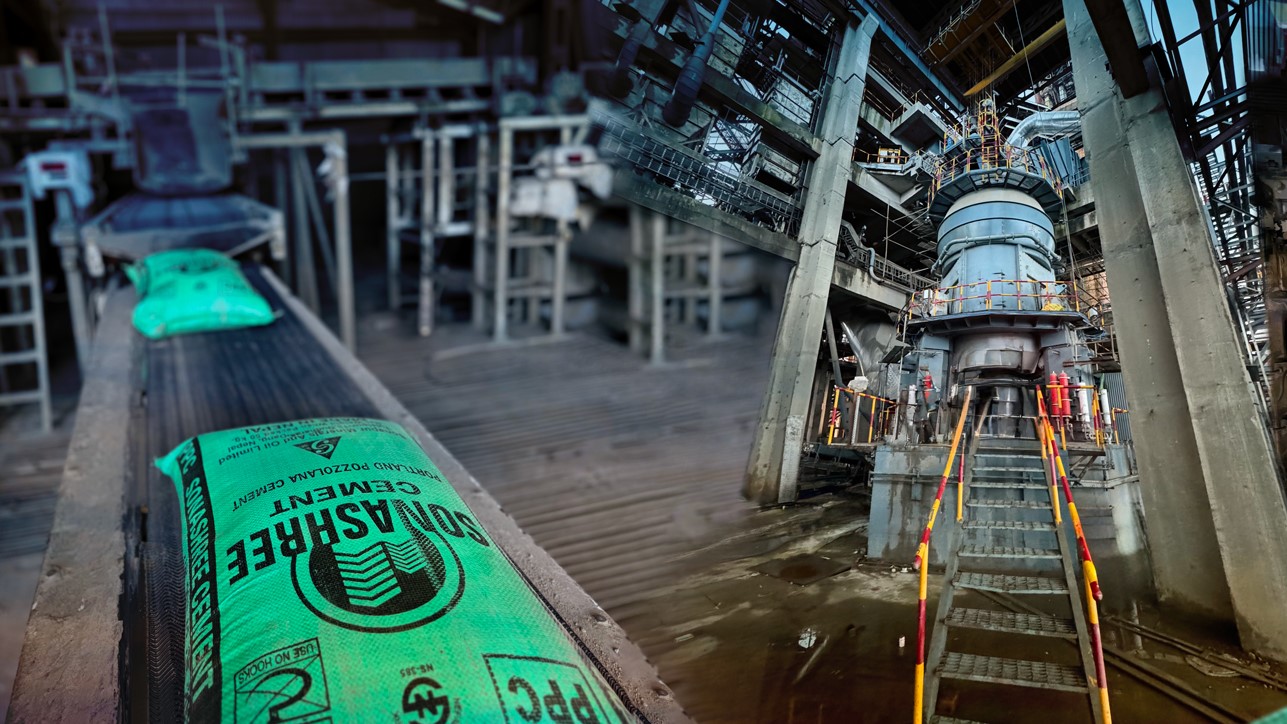
Cement is the backbone of modern construction, shaping everything from homes and highways to bridges and skyscrapers. But have you ever wondered how cement actually reaches your construction site? The journey is long, precise, and scientifically controlled—from raw limestone in quarries to the fine grey powder that powers infrastructure development. In this blog, we explore the complete journey of cement from quarry to construction, with a special focus on the trusted quality of Sona Cement.
1. Quarrying: The Origin of Cement Raw Materials
The journey begins in natural limestone quarries, where massive deposits of limestone, clay, and other minerals are extracted. These materials are the primary ingredients for cement production.
Heavy machinery is used to drill, blast, and extract limestone rocks from the earth. The quality of cement largely depends on the purity and composition of these raw materials. At this stage, careful selection ensures consistency and strength in the final product.
2. Crushing and Pre-Blending
Once extracted, the large limestone rocks are transported to crushing plants. Here, they are broken down into smaller, manageable sizes.
After crushing, the materials are pre-blended to maintain a uniform chemical composition. This step is crucial because even slight variations can affect cement quality. Advanced blending techniques help ensure that every batch meets strict performance standards—something that brands like Sona Cement prioritize for reliability and strength.
3. Raw Material Grinding
The crushed materials are then ground into a fine powder in a raw mill. During this process, limestone is combined with clay and corrective materials such as silica and iron ore.
This fine powder, known as raw meal, is carefully analyzed and adjusted to maintain the correct chemical balance. Precision at this stage ensures the cement will have the desired strength, durability, and setting time.
4. Preheating and Kiln Processing
The raw meal is then fed into a preheater tower, where it is gradually heated using hot gases. This prepares the material for the kiln stage.
Next comes the most critical phase—the rotary kiln. Here, temperatures reach up to 1450°C, causing a chemical transformation called calcination. The raw meal turns into small, hard nodules known as clinker.
Clinker formation is what gives cement its binding properties. The efficiency and control of this process directly influence the quality of the final cement product.
5. Clinker Cooling and Storage
After exiting the kiln, clinker is extremely hot and must be rapidly cooled using specialized cooling systems. This helps stabilize its mineral structure and improves cement performance.
The cooled clinker is then stored in silos, ready for the final grinding stage.
6. Cement Grinding with Gypsum
Clinker alone cannot be used as cement. It is mixed with a small amount of gypsum and finely ground in a cement mill.
Gypsum controls the setting time of cement, ensuring it doesn’t harden too quickly during construction. The final result is a smooth, fine powder—cement, ready for packaging.
At this stage, Sona Cement ensures strict quality control, producing cement that delivers high strength, durability, and consistent performance for all types of construction projects.
7. Packing and Distribution
Once the cement passes quality testing, it is packed into bags and dispatched to various markets. Efficient logistics ensure timely delivery to construction sites, retailers, and infrastructure projects.
From rural housing developments to large-scale commercial buildings, cement plays a vital role in shaping modern Nepal’s infrastructure growth.
8. From Construction Site to Strong Structures
At the construction site, cement is mixed with sand, aggregates, and water to form concrete. This mixture is then used for foundations, columns, slabs, roads, and more.
The quality of cement directly affects the strength and lifespan of a structure. That’s why builders and engineers trust reliable brands like Sona Cement for consistent performance and long-term durability.
Why Choose Sona Cement?
Choosing the right cement is essential for structural safety and durability. Sona Cement is known for:
- High compressive strength
- Consistent quality standards
- Advanced manufacturing processes
- Reliable performance in diverse construction conditions
- Long-lasting structural durability
Whether it’s residential housing or major infrastructure, Sona Cement supports strong foundations for a stronger future.
Conclusion
The journey of cement—from raw limestone in quarries to strong, durable structures—is a fascinating process of engineering precision and scientific transformation. Every step plays a critical role in ensuring the quality and strength of the final product.
With trusted manufacturing and strict quality control, Sona Cement continues to contribute to building stronger homes, roads, and infrastructure, shaping a more resilient future.