

About Sonapur Minerals & Oil Ltd.
Blogs
How to Select Cement for Monsoon Construction in Nepal: Practical Guidelines for Durable Structures
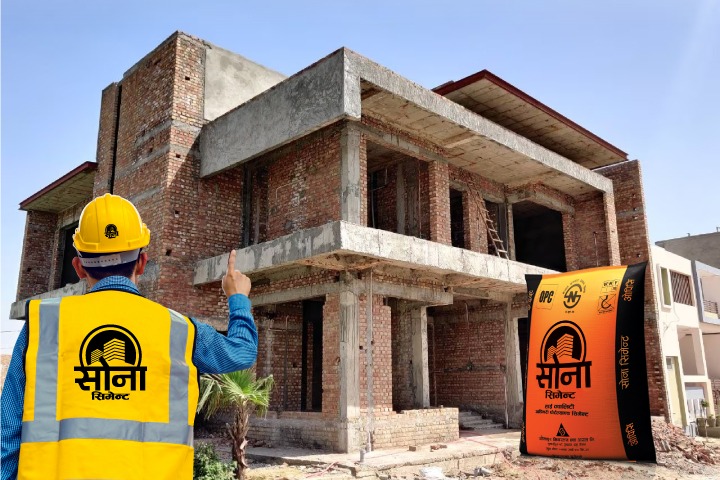
Monsoon season brings major construction challenges across Nepal. Heavy rainfall, high humidity, and water infiltration can affect concrete strength, plaster durability, and foundation stability. Many homeowners continue construction during monsoon months, but selecting the right cement and following proper practices becomes extremely important during this period.
Understanding how cement behaves in wet weather helps ensure safe and long-lasting construction even during Nepal’s rainy season.
Challenges of Monsoon Construction in Nepal
Construction during monsoon requires extra attention because excess moisture affects cement hydration and bonding.
Common problems include:
- Delayed setting time
- Surface cracking
- Reduced compressive strength
- Water seepage in foundations
Proper cement selection and site management can minimize these risks.
Best Cement Type for Monsoon Construction
Choosing the correct cement type during monsoon improves durability and resistance to moisture-related issues.
PPC Cement Nepal for Foundations and Masonry
Portland Pozzolana Cement performs well in wet conditions.
PPC cement Nepal provides:
- Better resistance to moisture penetration
- Lower heat of hydration
- Improved long-term durability
This makes it ideal for foundation work and masonry during rainy months.
OPC Cement Nepal for Structural Components
Ordinary Portland Cement is widely used for RCC elements such as slabs, columns, and beams.
OPC cement Nepal offers:
- High early strength
- Reliable bonding with reinforcement steel
- Stable structural performance
However, extra care is required during curing in rainy weather.
Protecting Cement Bags During Monsoon
Improper storage can reduce cement quality even before use.
Follow these storage guidelines:
- Store cement in covered areas
- Keep bags on raised wooden platforms
- Avoid contact with damp floors and walls
- Use plastic sheets for additional protection
Proper storage ensures cement maintains its strength grade.
Controlling Water-Cement Ratio in Rainy Conditions
Rainwater can unintentionally increase the water content in concrete mixes.
Excess water leads to:
- Reduced concrete strength
- Higher shrinkage cracks
- Increased permeability
Always maintain the recommended water-cement ratio during mixing.
Foundation Protection During Monsoon
Foundations are especially vulnerable during heavy rainfall.
Protect foundation concrete by:
- Covering freshly poured concrete
- Providing temporary drainage around excavation areas
- Avoiding water accumulation near footings
Durable cement helps maintain long-term foundation stability.
Slab Casting Precautions in Rainy Weather
Slab casting can continue during monsoon with proper precautions.
- Cover slabs immediately after pouring
- Avoid direct rain exposure during setting
- Ensure proper curing after initial setting
Controlled curing improves structural strength.
Plastering During Monsoon Season
Plastering should be carefully planned in rainy months.
Use moisture-resistant cement and:
- Avoid plastering during heavy rainfall
- Ensure wall surfaces are not waterlogged
- Provide sufficient curing after application
Proper timing improves surface durability.
Importance of Drainage Around Construction Site
Temporary drainage systems help protect fresh concrete and mortar.
Ensure:
- Rainwater flows away from foundation areas
- No water accumulation near structural elements
- Excavation zones remain dry
Good drainage prevents long-term structural damage.
Role of Cement Quality in Monsoon Durability
Reliable cement manufacturing in Nepal ensures consistent composition and strength performance even in challenging weather conditions.
High quality cement provides:
- Better resistance to moisture penetration
- Improved bonding strength
- Reduced cracking risk
Quality cement supports safer construction during rainy seasons.
Common Mistakes to Avoid During Monsoon Construction
- Using wet or moisture-damaged cement
- Allowing rainwater to mix with fresh concrete
- Skipping curing after slab casting
- Ignoring drainage around foundation areas
Avoiding these mistakes improves long-term durability.
Why Choose a Reliable Nepali Cement Brand
Construction during monsoon requires cement with consistent performance and durability.
Sona Cement, produced by Sonapur Minerals & Oil Ltd., is known for reliable strength development and suitability for Nepal’s climatic conditions. It performs effectively in foundation, RCC, masonry, and plastering applications across the country.
Practical Recommendations for Builders
- Use PPC cement for foundation and masonry work
- Use OPC cement for RCC structures
- Protect cement bags from moisture exposure
- Maintain correct water-cement ratio
- Provide proper curing after concrete placement
Following these steps helps ensure strong and durable construction even during monsoon.
Conclusion: Build Safely Even During Monsoon Season
Monsoon construction in Nepal requires careful planning, proper cement selection, and protective measures against moisture exposure. Using the right cement type and maintaining correct construction practices ensures structural strength and durability.
By choosing high quality cement from a trusted Nepali cement company like Sona Cement and following recommended site precautions, builders and homeowners can continue construction confidently during the rainy season while maintaining long-term performance and safety.