

About Sonapur Minerals & Oil Ltd.
Blogs
How to Identify High Quality Cement in Nepal: A Practical Guide for Homeowners and Builders
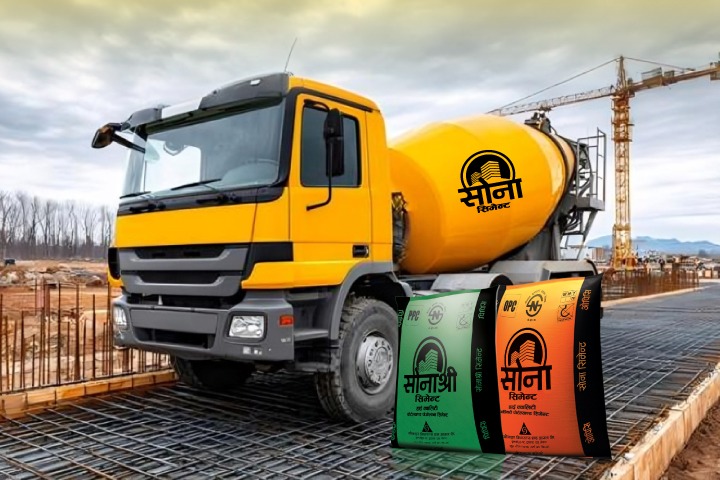
Choosing the right cement is one of the most important decisions in any construction project. In Nepal, where buildings must withstand earthquakes, heavy monsoon rainfall, and varying soil conditions, cement quality directly affects structural safety and durability. However, many buyers are unsure how to identify high quality cement before purchase.
This guide explains how to recognize strong and durable cement in Nepal, what technical factors matter most, and how proper selection ensures long-lasting construction.
Why Cement Quality Matters
Cement acts as the binding material in concrete and mortar. If cement quality is poor, even well-designed structures may suffer from:
- Low compressive strength
- Excessive cracking
- Leakage during monsoon
- Reduced earthquake resistance
High quality cement ensures consistent strength and durability.
Check the Manufacturing Date
Fresh cement performs better than old stock. Cement gradually loses strength if stored for long periods, especially in humid conditions.
- Always check the manufacturing date
- Avoid cement stored for several months
- Follow first-in, first-out usage at site
Fresh cement ensures reliable strength development.
Inspect the Cement Bag Condition
The physical condition of the bag provides important clues.
- Bag should be dry and undamaged
- No signs of moisture exposure
- No hard lumps inside the bag
Lumpy cement indicates moisture absorption and reduced quality.
Understand Cement Type Before Buying
Different construction stages require different cement types.
OPC Cement Nepal
Ordinary Portland Cement is suitable for RCC structures such as columns, beams, and slabs due to high early strength.
PPC Cement Nepal
Portland Pozzolana Cement is ideal for foundation work, masonry, and plastering because of its durability and moisture resistance.
Choosing the right type improves structural performance.
Verify Cement Strength Grade
Cement strength grade indicates compressive strength after 28 days.
- 43 grade is suitable for most residential houses
- 53 grade is used for heavy-duty RCC structures
Select the grade based on structural requirements rather than choosing the highest grade unnecessarily.
Check Workability and Texture
High quality cement should feel smooth and fine when rubbed between fingers.
- No gritty particles
- Uniform grey color
- Free-flowing powder
Consistent texture reflects controlled cement manufacturing.
Importance of Quality Control in Cement Plants
Reliable cement manufacturing in Nepal involves strict quality testing.
- Raw material testing
- Clinker quality monitoring
- Controlled fineness and setting time
- Regular compressive strength tests
These processes ensure batch-to-batch consistency.
Role of Cement in Earthquake-Resistant Construction
Nepal’s seismic conditions demand consistent cement strength.
High quality cement helps:
- Improve bonding with reinforcement steel
- Enhance ductility of RCC elements
- Increase load-bearing capacity
Choosing reliable cement directly improves building safety.
Why Choose a Trusted Nepali Cement Brand
A reliable Nepali cement company ensures consistent production standards and dependable performance.
Sona Cement, produced by Sonapur Minerals & Oil Ltd., is known for maintaining consistent quality, making it suitable for foundations, RCC structures, masonry, and plastering across Nepal.
Conclusion: Quality Cement Is the Foundation of Strong Construction
Identifying high quality cement requires attention to manufacturing date, storage condition, cement type, and strength grade. In Nepal’s challenging environment, careful selection ensures durability and safety.
By choosing reliable cement and following proper construction practices, homeowners and builders can build strong, long-lasting, and earthquake-resistant structures.