

About Sonapur Minerals & Oil Ltd.
Blogs
How Cement Quality Affects Long-Term Durability of Buildings in Nepal
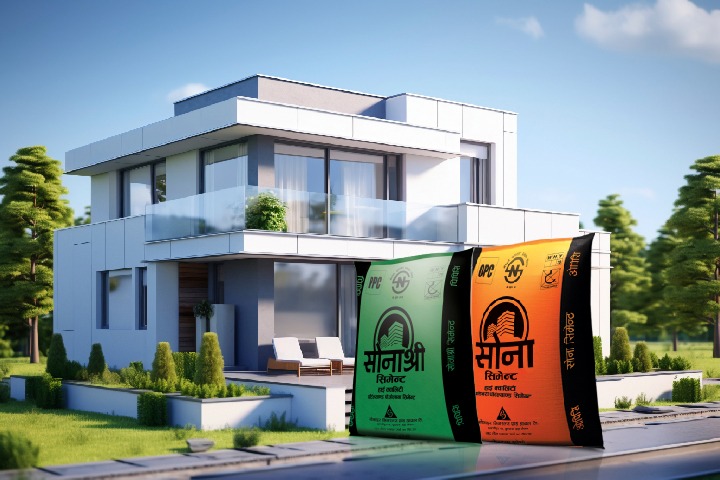
In Nepal, many buildings look strong when they are newly completed, yet start showing cracks, leakage, or surface damage within a few years. While design and workmanship play important roles, one critical factor is often overlooked: cement quality. The long-term durability of any structure largely depends on the type, consistency, and performance of cement used during construction.
This blog explains how cement quality influences the lifespan of buildings in Nepal, what technical properties matter most, and how choosing high quality cement from a trusted Nepali cement company like Sona Cement helps ensure durable, safe, and reliable construction.
What Does Building Durability Mean?
Durability refers to a building’s ability to resist deterioration over time while maintaining strength, stability, and usability. In Nepal, durable buildings must withstand:
- Frequent earthquakes and seismic vibrations
- Heavy monsoon rainfall and humidity
- Temperature variation across seasons
- Soil moisture and environmental exposure
Cement acts as the binding force that holds the entire structure together. If cement quality is compromised, durability is reduced regardless of good design.
Key Cement Properties That Influence Durability
Not all cement performs the same over time. Certain technical characteristics are directly linked to long-term building performance.
Cement Strength Development
Durable cement gains strength steadily and maintains it over decades. While early strength is useful, long-term strength development is more important for foundations and RCC structures.
High quality cement ensures:
- Stable compressive strength
- Reduced internal cracking
- Improved load distribution
Cement Fineness and Uniformity
Proper cement fineness allows better hydration and reduces voids in concrete. Uniform particle size improves bonding between cement, aggregates, and steel reinforcement.
This directly enhances resistance to moisture penetration and chemical attack.
Controlled Setting Time
Cement that sets too fast or too slow can create weak zones within concrete. Controlled setting time allows proper compaction, especially important in RCC work and slab casting.
Impact of Cement Quality on RCC Structures
Reinforced Cement Concrete (RCC) is widely used in Nepal for earthquake-resistant buildings. Cement quality plays a critical role in how RCC performs over time.
Strong cement improves:
- Bond strength between steel and concrete
- Crack control during load cycles
- Resistance to corrosion of reinforcement
Poor-quality cement often leads to early corrosion, weakening the structure from the inside.
Monsoon and Moisture Resistance
Nepal’s monsoon season puts buildings under constant moisture stress. Cement with poor durability absorbs water easily, leading to surface damage and leakage.
Durable cement offers:
- Lower permeability
- Better resistance to dampness
- Reduced chances of plaster peeling
PPC cement Nepal is often preferred for long-term moisture resistance, especially in foundations and external walls.
Role of Cement in Crack Prevention
Cracks are one of the most visible signs of poor durability. While some cracks are structural, many result from inferior cement or improper hydration.
High quality cement helps reduce:
- Shrinkage cracks
- Thermal cracks
- Micro-cracks that grow over time
Using reliable cement for masonry work and plastering significantly improves surface longevity.
OPC vs PPC: Durability Perspective
Both OPC cement Nepal and PPC cement Nepal are used widely, but their durability characteristics differ.
OPC Cement
OPC provides higher early strength and is suitable for structural elements. However, it requires careful curing and water control to ensure long-term durability.
PPC Cement
PPC cement offers better long-term durability due to its refined hydration process. It reduces heat generation and improves resistance to environmental stress.
For house construction in Nepal, a combination of OPC and PPC is often the most durable solution.
Importance of Quality Control in Cement Manufacturing
Durability begins at the cement factory. Reliable cement manufacturing in Nepal depends on strict quality control at every stage.
Key quality control practices include:
- Controlled cement composition
- Consistent clinker quality
- Regular cement testing methods
- Uniform fineness and setting time
Sona Cement, produced by Sonapur Minerals & Oil Ltd., follows systematic quality control processes to deliver durable cement suitable for Nepal’s construction environment.
Long-Term Cost Benefits of Using Quality Cement
Many builders focus on short-term cost savings, but poor cement quality leads to higher expenses over time.
Using durable cement results in:
- Lower repair and maintenance costs
- Longer building lifespan
- Better resale value
- Improved safety for occupants
High quality cement is not an expense—it is an investment.
Practical Tips to Improve Building Durability
To ensure long-lasting construction in Nepal:
- Choose cement from a reliable cement brand
- Use the correct cement type for each application
- Maintain proper water-cement ratio
- Ensure adequate curing time
- Store cement correctly on-site
These practices maximize the durability potential of cement.
Conclusion: Durable Buildings Start with Quality Cement
In Nepal’s challenging climatic and seismic conditions, cement quality is the foundation of long-term building durability. From resisting monsoon moisture to handling earthquake stresses, durable cement ensures structures remain safe and functional for decades.
By choosing high quality cement from a trusted Nepali cement company like Sona Cement and following correct construction practices, builders and homeowners can create strong, durable buildings that stand firm across generations. True durability begins with the right cement choice.