

About Sonapur Minerals & Oil Ltd.
Blogs
Difference Between OPC and PPC Cement in Nepal: Which One Should You Choose for Your Project?
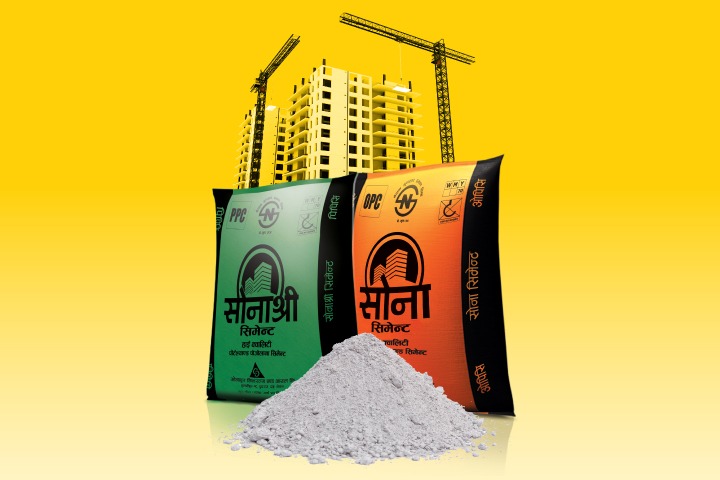
When planning construction in Nepal, one of the most common questions homeowners and contractors ask is: should I use OPC cement or PPC cement? Understanding the difference between OPC cement Nepal and PPC cement Nepal is essential for ensuring strength, durability, and cost-effectiveness in your project.
Both types of cement are widely used across Kathmandu, Pokhara, Biratnagar, Butwal, and other growing cities. However, their properties and applications differ depending on the stage of construction and environmental conditions.
What Is OPC Cement?
OPC stands for Ordinary Portland Cement. It is manufactured by grinding clinker with gypsum and contains a higher percentage of clinker compared to PPC.
Key Features of OPC Cement Nepal
- High early strength
- Faster setting time
- Strong bonding with reinforcement steel
- Suitable for heavy load-bearing structures
OPC cement is commonly available in 43 grade and 53 grade strength options in Nepal.
What Is PPC Cement?
PPC stands for Portland Pozzolana Cement. It is made by blending clinker with pozzolanic materials along with gypsum.
Key Features of PPC Cement Nepal
- Better long-term strength development
- Lower heat of hydration
- Improved resistance to moisture
- Reduced risk of shrinkage cracks
PPC cement is widely used for foundation and masonry work.
Strength Comparison: OPC vs PPC
OPC cement develops strength faster in the early days. This makes it ideal for structural elements that require early load-bearing capacity.
PPC cement develops strength gradually but often achieves excellent long-term durability. For long-lasting structures in Nepal’s monsoon climate, durability is equally important as early strength.
Best Use of OPC Cement in Nepal
OPC cement Nepal is best suited for:
- RCC columns and beams
- Slab casting
- Bridges and heavy infrastructure
- High-rise buildings
It is preferred where early strength and structural rigidity are essential.
Best Use of PPC Cement in Nepal
PPC cement Nepal performs well in:
- Foundation work
- Raft and footing construction
- Masonry and brickwork
- Plastering applications
Its durability makes it ideal for moisture-prone areas such as Pokhara and Terai regions.
Heat of Hydration and Cracking Risk
OPC generates more heat during hydration, which can increase the risk of thermal cracking in mass concrete.
PPC produces lower heat, making it suitable for large concrete pours and foundation work.
OPC vs PPC in Earthquake-Prone Areas
In Nepal’s seismic zones, strong bonding between cement and reinforcement steel is critical.
- OPC provides excellent early bonding strength
- PPC enhances long-term durability and crack resistance
Often, both types are used strategically in different stages of house construction.
Cost Consideration in Nepal
While cement price in Nepal may vary depending on region and demand, selecting cement should not be based only on price.
Using the correct cement type for each stage:
- Reduces repair costs
- Improves building lifespan
- Enhances structural safety
Long-term value is more important than short-term savings.
How to Choose Between OPC and PPC
Follow this simple guideline:
- Use OPC for RCC structural elements
- Use PPC for foundation, masonry, and plastering
- Consult engineers for large-scale projects
Proper mix design and curing remain essential regardless of cement type.
Importance of Quality Cement Manufacturing
Reliable cement manufacturing in Nepal ensures consistent clinker quality, controlled composition, and accurate strength testing.
Consistent quality helps both OPC and PPC perform as intended in various applications.
Why Choose a Trusted Nepali Cement Brand
Whether you choose OPC cement Nepal or PPC cement Nepal, quality and consistency matter most.
Sona Cement, produced by Sonapur Minerals & Oil Ltd., offers dependable cement solutions suitable for residential, commercial, and infrastructure projects across Nepal. Its consistent strength and durability make it a reliable choice for foundation, slab, masonry, and RCC work.
Conclusion: Choose Smart, Build Strong
The difference between OPC and PPC cement lies in strength development, heat generation, and durability characteristics. Both types have important roles in house construction in Nepal.
By selecting the right cement for each stage and choosing high quality cement from a trusted Nepali cement company like Sona Cement, builders and homeowners can ensure strong, durable, and earthquake-resistant structures built to last for generations.