

About Sonapur Minerals & Oil Ltd.
Blogs
Cement Price Trends in Nepal: What Influences Cement Costs and How Buyers Can Plan Better
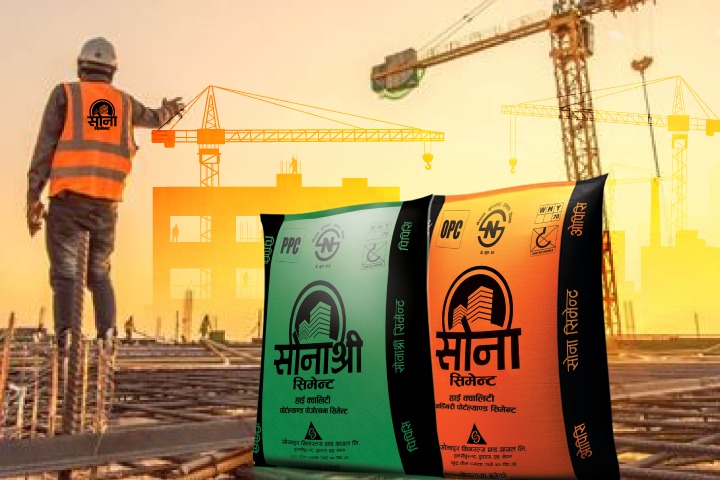
Cement is one of the most essential materials in construction, and understanding cement price in Nepal is important for homeowners, contractors, and developers planning new projects. While many buyers focus only on current market rates, cement prices are influenced by several technical, economic, and seasonal factors.
In Nepal’s growing construction sector—especially in cities like Kathmandu, Pokhara, Biratnagar, Butwal, and Nepalgunj—cement demand continues to rise. Knowing what affects cement price trends helps builders make smarter purchasing decisions and manage project costs more effectively.
Why Cement Price Awareness Matters in Construction
Cement is used in almost every stage of construction, including:
- Foundation work
- RCC structures
- Masonry construction
- Plastering and finishing
Even small changes in cement price can significantly affect the overall construction budget. Planning purchases at the right time helps reduce unnecessary expenses.
Major Factors Affecting Cement Price in Nepal
Several key elements influence cement price fluctuations across different regions of Nepal.
Raw Material Availability
The production of cement depends heavily on limestone and other raw materials. Changes in availability or transportation conditions can influence production costs.
Stable raw material supply supports consistent cement manufacturing in Nepal.
Transportation and Logistics
Nepal’s geography plays an important role in cement distribution.
- Mountainous terrain increases transport complexity
- Remote districts require longer delivery routes
- Fuel price changes affect logistics costs
These factors contribute to regional variation in cement price trends.
Seasonal Construction Demand
Cement demand typically increases during the dry construction season and decreases during peak monsoon months.
Higher demand periods may influence market supply availability, especially in fast-growing urban areas.
Infrastructure Development Projects
Large-scale infrastructure activities such as road construction, hydropower projects, and urban housing expansion increase cement demand nationwide.
Major development programs directly affect cement consumption patterns.
Cement Demand in Nepal’s Major Cities
Urban expansion across Nepal continues to drive cement usage.
Kathmandu Valley
Kathmandu, Lalitpur, and Bhaktapur remain the largest consumers of cement due to residential housing and commercial construction growth.
Multi-story RCC buildings increase demand for strong cement suitable for structural applications.
Pokhara
Tourism infrastructure, hotels, and housing projects contribute to rising cement demand in Pokhara. Moisture-resistant cement is especially important due to high rainfall conditions.
Biratnagar and Birgunj
Industrial expansion in eastern Nepal supports steady cement consumption for warehouses, factories, and commercial structures.
Butwal and Bhairahawa
Rapid urban development and cross-border trade activities continue to increase construction activity in these regions.
Role of Cement Type in Cost Planning
Understanding the difference between OPC cement Nepal and PPC cement Nepal helps buyers choose the right material for each construction stage.
OPC Cement Nepal
Ordinary Portland Cement is commonly used in RCC structures because of its high early strength.
Typical applications include:
- Beams and columns
- Slab casting
- Structural frameworks
Its strength characteristics make it essential for load-bearing components.
PPC Cement Nepal
Portland Pozzolana Cement offers long-term durability and improved resistance to moisture.
It is widely used for:
- Foundation work
- Masonry construction
- Wall plastering
Using the appropriate cement type improves both performance and cost efficiency.
Impact of Storage Conditions on Cement Value
Even if buyers purchase cement at the right time, improper storage can reduce its effectiveness.
Follow these storage practices:
- Store cement in dry covered areas
- Keep bags on raised platforms
- Protect from monsoon moisture
Proper storage preserves cement strength and prevents wastage.
Importance of Buying from Reliable Suppliers
Choosing a trusted cement supplier Nepal ensures consistent availability and quality.
Reliable suppliers provide:
- Fresh cement stock
- Proper storage facilities
- Timely delivery support
This helps maintain construction schedules without interruption.
Planning Cement Purchase for House Construction
Homeowners planning residential construction should estimate cement requirements carefully.
Typical usage includes:
- Foundation concrete
- RCC structural components
- Brickwork mortar
- Plastering surfaces
Purchasing cement in phases according to project progress helps reduce storage risks.
How Cement Quality Influences Long-Term Construction Costs
While cement price in Nepal is an important consideration, quality plays a larger role in long-term durability.
Using high quality cement helps:
- Reduce repair expenses
- Improve structural strength
- Prevent moisture-related damage
Investing in reliable cement improves building lifespan.
Role of Cement Manufacturing in Market Stability
Reliable cement manufacturing in Nepal supports consistent supply across regions.
Modern production processes ensure:
- Controlled clinker composition
- Balanced cement strength grade
- Uniform setting time performance
These factors contribute to predictable construction outcomes.
Choosing the Best Cement in Nepal for Reliable Performance
Selecting the best cement in Nepal involves evaluating quality, consistency, and suitability for different construction stages.
Sona Cement, produced by Sonapur Minerals & Oil Ltd., is widely recognized as a dependable Nepali cement brand suitable for foundation work, RCC structures, masonry, and plastering applications across diverse climatic regions of Nepal.
Reliable cement selection supports both structural safety and long-term value.
Practical Tips for Buyers and Contractors
- Plan cement purchases according to construction schedule
- Choose the correct cement type for each stage
- Store cement properly to maintain quality
- Purchase from trusted dealers and suppliers
Smart planning helps manage construction budgets efficiently.
Conclusion: Understanding Cement Price Trends Helps Build Better
Cement price trends in Nepal are influenced by transportation conditions, seasonal demand, infrastructure growth, and supply availability. Understanding these factors helps homeowners and contractors make informed purchasing decisions.
By selecting high quality cement from a trusted Nepali cement company like Sona Cement and planning purchases strategically, builders can ensure strong, durable, and cost-effective construction suited to Nepal’s growing infrastructure needs.