

About Sonapur Minerals & Oil Ltd.
Blogs
Cement for Hydropower Projects in Nepal: Strength, Durability, and Long-Term Reliability
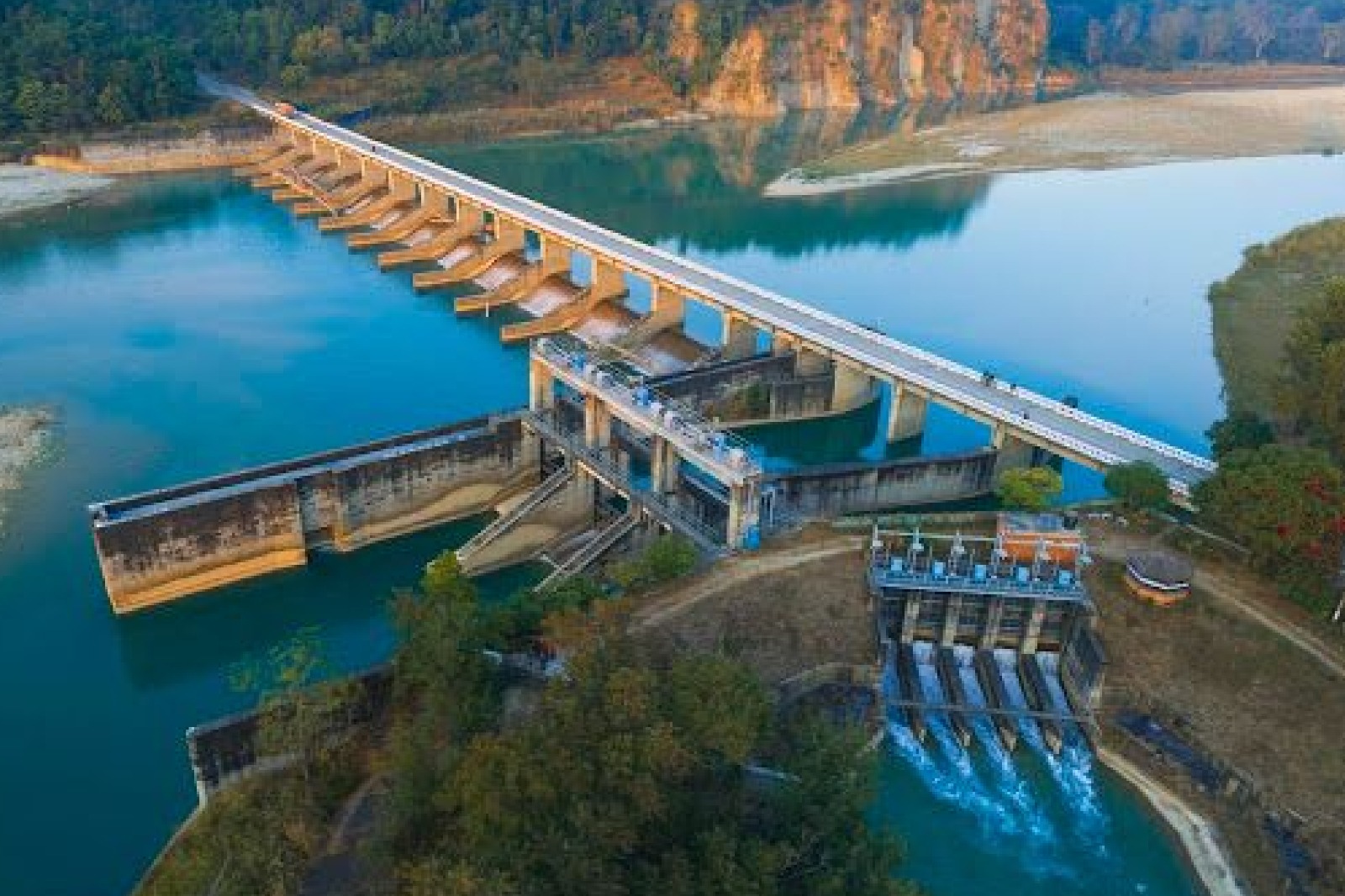
Hydropower is the backbone of Nepal’s energy future. With abundant rivers, steep gradients, and increasing electricity demand, hydropower projects are expanding rapidly across the country. From dams and tunnels to powerhouses and spillways, cement plays a critical role in ensuring structural safety, water resistance, and long-term durability. Selecting the right cement is therefore a technical necessity, not a routine procurement decision.
This blog explains the importance of cement in hydropower projects in Nepal, the technical requirements involved, and why using high quality cement from a reliable Nepali cement company is essential for sustainable and safe hydropower infrastructure.
Why Cement Quality Is Critical in Hydropower Construction
Hydropower structures are exposed to continuous water pressure, abrasion, temperature variation, and seismic forces. Unlike normal buildings, these structures must perform reliably for decades under harsh operating conditions.
Poor-quality cement can result in:
- Water seepage and leakage through concrete
- Cracking in dams and tunnels
- Reduced resistance to erosion and abrasion
- High maintenance and repair costs
Using durable cement ensures hydropower structures remain safe and functional throughout their service life.
Major Applications of Cement in Hydropower Projects
Cement is used extensively across different components of hydropower projects in Nepal.
- Dams and barrage structures
- Water intake and desilting chambers
- Headrace tunnels and pressure shafts
- Powerhouse foundations and walls
- Spillways and retaining structures
Each application demands cement with consistent strength, low permeability, and long-term durability.
Best Cement Types for Hydropower Construction in Nepal
The choice of cement depends on exposure conditions, structural size, and construction method.
PPC Cement for Long-Term Durability
Portland Pozzolana Cement is widely used in hydropower projects due to its durability and resistance to water-related damage.
PPC cement Nepal offers:
- Lower heat of hydration for mass concrete
- Reduced risk of thermal cracking
- Improved resistance to chemical and water attack
- Better long-term strength development
These properties make PPC cement ideal for dams, tunnels, and large concrete sections.
OPC Cement for Structural RCC Elements
Ordinary Portland Cement is commonly used where higher early strength is required.
OPC cement Nepal is suitable for:
- RCC structures in powerhouses
- Beams, columns, and slabs
- Precast elements and time-sensitive works
When used with proper curing and mix design, OPC delivers strong structural performance.
Control of Heat of Hydration in Mass Concrete
Hydropower projects involve large concrete pours where excessive heat of hydration can cause internal cracking.
Using suitable cement helps:
- Control temperature rise in concrete
- Reduce thermal stress and cracking
- Improve long-term structural integrity
PPC cement is particularly effective in managing heat generation in mass concrete applications.
Water Resistance and Permeability Control
Concrete in hydropower projects must resist continuous water exposure.
High quality cement contributes to:
- Dense concrete structure
- Lower permeability
- Reduced seepage and leakage
This is critical for tunnels, spillways, and dam faces where water pressure is constant.
Seismic Considerations in Hydropower Cement Selection
Nepal lies in a high seismic zone, making earthquake resistance essential for hydropower infrastructure.
Strong cement improves:
- Bonding between concrete and reinforcement
- Crack control under cyclic loading
- Overall stability of massive structures
Consistent cement quality supports predictable structural behavior during seismic events.
Importance of Cement Quality Control and Testing
Hydropower projects demand strict material testing and quality assurance.
Reliable cement manufacturing in Nepal focuses on:
- Uniform clinker quality
- Controlled cement composition
- Consistent fineness and setting time
- Regular cement testing methods
These practices ensure cement performs reliably in critical infrastructure projects.
Durability Against Abrasion and Erosion
Flowing water carrying sediments causes abrasion in hydropower structures.
Durable cement helps:
- Improve abrasion resistance
- Reduce surface wear over time
- Extend service life of concrete components
This is especially important for spillways and water channels.
Long-Term Economic Benefits of Using Quality Cement
Hydropower projects are long-term investments. Cement quality directly affects lifecycle cost.
High quality cement results in:
- Lower maintenance and repair expenses
- Reduced downtime of power generation
- Improved structural reliability
- Higher return on infrastructure investment
Initial material quality plays a major role in long-term economic performance.
Role of a Reliable Nepali Cement Company
Hydropower construction requires dependable supply and consistent performance.
A reliable Nepali cement company offers:
- Stable cement quality across large volumes
- Better understanding of local construction conditions
- Technical reliability for infrastructure projects
Sona Cement, produced by Sonapur Minerals & Oil Ltd., is widely used in infrastructure-related applications due to its consistent quality, durability, and suitability for Nepal’s hydropower construction environment.
Best Practices for Cement Use in Hydropower Projects
To ensure durable hydropower construction:
- Select cement based on exposure and structural size
- Control water-cement ratio strictly
- Ensure proper curing, especially for mass concrete
- Follow approved mix designs and testing protocols
Engineering supervision further enhances construction quality.
Future of Hydropower and Cement Demand in Nepal
As Nepal continues to develop hydropower projects, demand for durable and reliable cement will increase.
Cement that supports:
- Long-term water resistance
- Seismic safety
- Sustainable infrastructure development
will play a key role in shaping Nepal’s energy future.
Conclusion: Strong Hydropower Projects Start with the Right Cement
Hydropower structures demand cement that can withstand water pressure, abrasion, seismic forces, and time. In Nepal’s challenging terrain and climate, cement quality directly determines the safety and longevity of hydropower projects.
By choosing high quality cement from a trusted Nepali cement company like Sona Cement and following best construction practices, developers and engineers can build strong, durable, and reliable hydropower infrastructure that supports Nepal’s sustainable energy growth for generations to come.