

About Sonapur Minerals & Oil Ltd.
Blogs
Cement for Foundation Work in Nepal: Building Strong and Stable Structures from the Ground Up
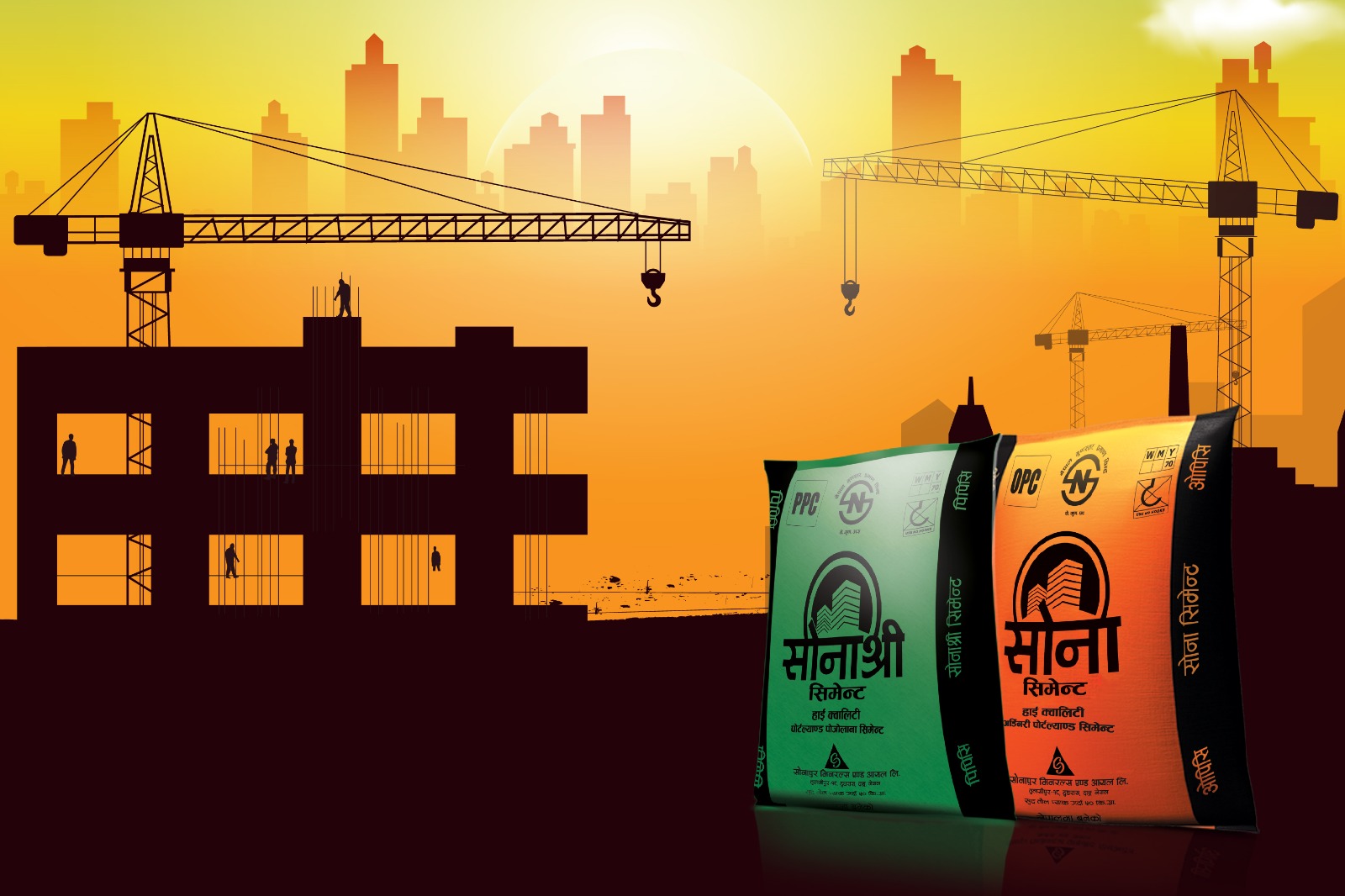
The foundation is the most critical part of any building. In Nepal, where soil conditions vary widely and structures must endure earthquakes, monsoon moisture, and long-term loading, foundation failure can lead to serious structural damage. Many problems seen in buildings—such as uneven settlement, cracks, and dampness—often originate from poor foundation construction and incorrect cement selection.
This blog explains which cement is best for foundation work in Nepal, the technical reasons behind the choice, and best practices to ensure safe, durable, and long-lasting foundations using high quality cement.
Why Foundation Cement Selection Is Crucial in Nepal
Foundations transfer the entire load of a building safely into the ground. In Nepal, foundations face multiple challenges:
- Soft and moisture-rich soils in the Terai
- Mixed soil and seismic sensitivity in hills and valleys
- Rocky yet uneven terrain in mountain regions
- High groundwater levels during monsoon
Cement used in foundation concrete must therefore offer long-term strength, low permeability, and stable performance over decades.
Key Cement Properties Required for Foundation Work
Not all cement types are equally suitable for below-ground construction. Foundation cement must possess specific characteristics.
Long-Term Strength Development
Unlike slabs or beams, foundations do not require very high early strength. Instead, gradual and sustained strength gain is essential for long-term stability.
Low Permeability
Water ingress weakens concrete and corrodes reinforcement. Cement with low permeability reduces moisture penetration and improves foundation durability.
Resistance to Chemical and Soil Attack
Foundations are constantly exposed to soil minerals and groundwater. High quality cement resists chemical reactions that can damage concrete over time.
Best Cement Type for Foundation Work in Nepal
For most foundation applications in Nepal, Portland Pozzolana Cement is considered the most suitable option.
PPC Cement for Foundations
PPC cement Nepal offers multiple advantages for foundation construction.
- Lower heat of hydration, reducing thermal cracks
- Improved long-term strength development
- Better resistance to moisture and chemical attack
- Denser concrete structure with reduced permeability
These properties make PPC cement ideal for footing, raft foundations, and underground RCC elements.
Can OPC Cement Be Used for Foundations?
OPC cement Nepal can be used for foundations under specific conditions.
- When early strength is required for fast construction
- In dry soil conditions with controlled curing
- Under strict engineering supervision
However, OPC generates higher heat during hydration, which can increase cracking risk in mass concrete foundations.
Foundation Cement Selection Based on Soil Conditions
Nepal’s diverse soil profile requires thoughtful cement selection.
Terai Region
High moisture and soft soil demand durable cement.
- PPC cement is strongly recommended
- Better resistance to groundwater effects
Hill and Valley Areas
Mixed soil and seismic activity require balanced performance.
- PPC cement preferred for most foundations
- OPC used selectively under design guidance
Mountain Regions
Rocky soil provides stability, but durability remains important.
- PPC cement ensures long-term reliability
- Proper curing is still essential
Role of Cement in Earthquake-Resistant Foundations
Earthquake-resistant buildings begin at the foundation level. Cement quality affects how foundations absorb and distribute seismic energy.
High quality cement helps:
- Improve bonding with reinforcement steel
- Reduce brittle cracking during seismic movement
- Enhance overall structural stability
Using durable cement is a key step toward safer buildings in Nepal.
Importance of Proper Curing for Foundation Concrete
Curing allows cement hydration to complete and strength to develop fully.
Proper curing:
- Increases compressive strength
- Reduces surface and internal cracking
- Improves resistance to moisture penetration
Foundation concrete should be cured for at least 14 days, especially in hot or dry conditions.
Common Foundation Cement Mistakes to Avoid
Many foundation failures result from avoidable errors.
- Using moisture-damaged or expired cement
- Adding excess water to concrete mix
- Skipping curing to save time
- Using low-quality cement for cost reduction
Avoiding these mistakes significantly improves foundation performance.
Quality Control in Cement Manufacturing
Foundation reliability starts at the cement factory.
Reliable cement manufacturing in Nepal focuses on:
- Consistent clinker quality
- Uniform cement composition
- Controlled fineness and setting time
- Regular cement testing methods
Sona Cement, produced by Sonapur Minerals & Oil Ltd., is a trusted Nepali cement brand known for consistent quality suitable for foundation and structural applications.
Long-Term Benefits of Using the Right Cement for Foundations
Using high quality cement in foundations provides long-term advantages.
- Reduced risk of settlement and cracking
- Lower maintenance and repair costs
- Improved building lifespan
- Enhanced structural safety
Foundation strength determines the future performance of the entire structure.
Practical Tips for Homeowners and Builders
For strong foundation construction in Nepal:
- Prefer PPC cement for most foundation work
- Follow approved mix designs
- Ensure proper curing
- Consult structural engineers for soil-specific guidance
These practices ensure safe and durable foundations.
Conclusion: Strong Buildings Start with Strong Foundations
The safety and durability of any building depend heavily on the quality of its foundation. In Nepal’s challenging soil, seismic, and climatic conditions, choosing the right cement for foundation work is essential.
By selecting high quality cement from a reliable Nepali cement company like Sona Cement and following correct foundation construction practices, homeowners and builders can create strong, stable, and long-lasting structures. Strong foundations are not accidental—they are built with the right cement and the right approach.