

About Sonapur Minerals & Oil Ltd.
Blogs
Best Cement for Foundation Work in Nepal: A Complete Guide for Strong and Durable Construction
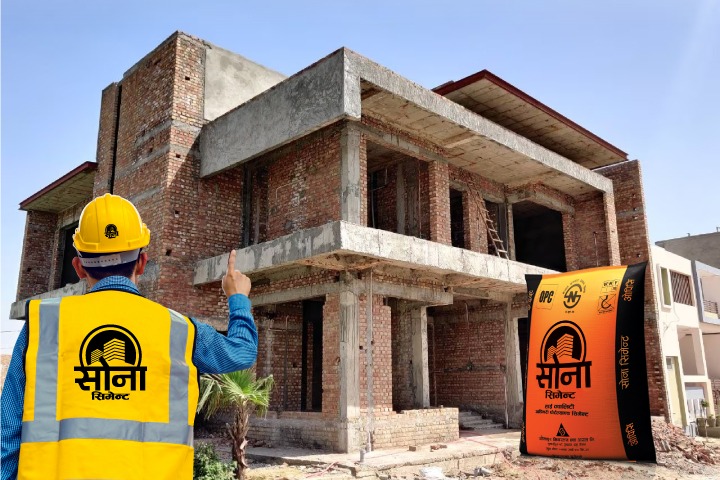
The foundation is the most important part of any building. It supports the entire structure and transfers loads safely to the ground. Selecting the best cement in Nepal for foundation work is essential to ensure durability, stability, and resistance to moisture and soil pressure.
In Nepal’s diverse terrain—ranging from the humid Terai plains to the hilly regions and seismic zones—choosing the right cement for foundation work plays a critical role in long-term structural safety.
Why Foundation Cement Selection Matters
The foundation remains underground throughout the life of the building. It is constantly exposed to soil moisture, temperature variation, and ground movement.
Using high quality cement ensures:
- Improved load-bearing capacity
- Resistance to water penetration
- Reduced cracking risk
- Long-term structural durability
Strong foundations lead to safe and stable buildings.
Best Cement Type for Foundation Work in Nepal
Different cement types are available in the Nepali construction market. However, some perform better than others for foundation applications.
PPC Cement Nepal for Foundation Durability
PPC cement Nepal is widely recommended for foundation work due to its long-term strength and moisture resistance.
Key advantages include:
- Lower heat of hydration
- Improved resistance to seepage
- Reduced shrinkage cracks
- Better performance in mass concrete
This makes PPC cement suitable for footing, raft foundations, and basement structures.
OPC Cement Nepal for Early Strength Requirements
OPC cement Nepal is also used when early strength development is required during foundation construction.
It provides:
- High early compressive strength
- Strong bonding with reinforcement steel
- Reliable structural performance
It is especially useful in projects with tight construction timelines.
Foundation Construction Challenges in Nepal
Nepal’s geography creates several foundation-related challenges that require careful cement selection.
Moisture-Prone Soil Conditions
Many areas experience groundwater exposure and seasonal moisture variation. Durable cement reduces water penetration into foundation concrete.
Seismic Activity
Earthquake resistance begins at the foundation level. Strong cement improves bonding between concrete and reinforcement steel.
Temperature Variation Across Regions
Different climatic zones affect cement hydration rates. Selecting suitable cement ensures consistent strength development.
Importance of Low Heat of Hydration in Foundations
Foundation concrete often involves large volumes of material. Excessive heat during hydration can cause internal cracking.
PPC cement helps:
- Control temperature rise
- Reduce thermal stress
- Improve long-term structural stability
This makes it ideal for large foundation pours.
Proper Water-Cement Ratio for Foundation Strength
Maintaining correct water-cement ratio is essential during foundation construction.
Too much water can:
- Reduce compressive strength
- Increase permeability
- Cause shrinkage cracks
Controlled mixing improves durability and load-bearing performance.
Importance of Proper Curing After Foundation Pouring
Curing ensures complete hydration and strength development.
- Maintain moisture for at least 7–14 days
- Protect concrete from rapid drying
- Avoid early loading on foundation elements
Proper curing significantly improves foundation performance.
Common Mistakes to Avoid in Foundation Cement Use
- Using expired cement
- Adding excess water during mixing
- Skipping curing process
- Choosing incorrect cement type
Avoiding these mistakes helps ensure long-lasting foundation strength.
Role of Cement Quality in Long-Term Building Stability
Foundation strength directly influences the lifespan of a structure. Reliable cement manufacturing in Nepal ensures consistent clinker composition and balanced cement properties.
High quality cement supports:
- Stable load transfer
- Reduced settlement risk
- Improved resistance to environmental stress
These benefits are essential for safe residential construction.
How to Identify the Best Cement in Nepal for Foundations
Before purchasing cement, check:
- Manufacturing date
- Strength grade
- Storage condition at supplier location
- Proper packaging integrity
Fresh cement ensures reliable performance during foundation work.
Why Choose a Trusted Nepali Cement Brand
Selecting the best cement in Nepal ensures strong foundation performance and long-term structural reliability.
Sona Cement, produced by Sonapur Minerals & Oil Ltd., is widely recognized as a dependable Nepali cement brand suitable for foundation work, RCC structures, masonry construction, and plastering applications across Nepal’s diverse climatic regions.
Practical Tips for Builders and Homeowners
- Use PPC cement for foundation durability
- Maintain correct water-cement ratio
- Ensure proper curing after pouring
- Purchase cement from reliable suppliers
These steps help achieve stronger foundations.
Conclusion: Strong Foundations Begin with the Right Cement
Foundation strength determines the safety and durability of the entire building. Selecting the best cement in Nepal for foundation work ensures resistance to moisture, improved load-bearing capacity, and long-term structural stability.
By choosing high quality cement from a trusted Nepali cement company like Sona Cement and following proper construction practices, builders and homeowners can create strong and reliable foundations suited to Nepal’s challenging construction environment.