

About Sonapur Minerals & Oil Ltd.
Blogs
Cement for Industrial Floor Construction in Nepal
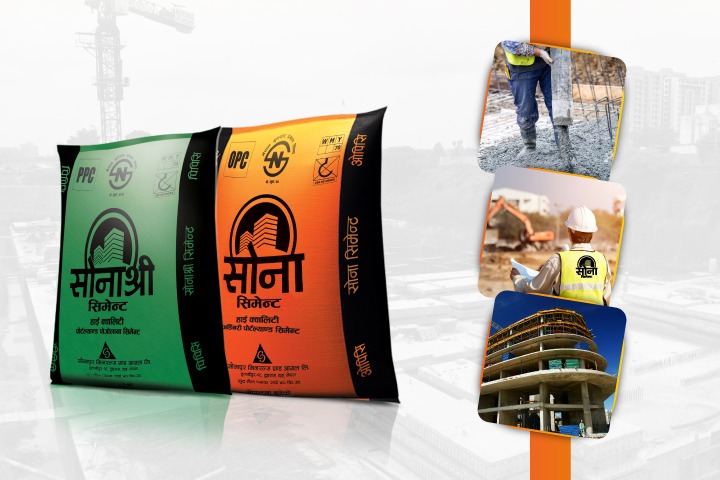
Understanding cement for industrial floor in Nepal helps Nepali homeowners, contractors, engineers, builders and dealers make safer and more economical decisions. This guide gives a direct answer, explains the main site risks and shows how cement selection should work with engineering and quality control.
Direct Answer
Industrial floors should be designed around wheel loads, racks, machinery, impact, abrasion, chemicals and flatness requirements.
Why This Topic Matters in Nepal
Nepal combines seismic risk, monsoon rainfall, hot Terai conditions, cold mountain climates and difficult transport routes. Construction materials may be exposed to moisture, temperature change and long storage. These conditions make correct planning more important than unsupported claims about one product being best for every situation.
Practical Guidance
Understand the Main Technical Issue
A weak or uneven subgrade can cause settlement and cracking. The base, drainage and vapour barrier should be prepared before concrete placement.
Control Local Site Conditions
Concrete strength is only one requirement. Joint layout, shrinkage control, finishing timing and curing strongly affect floor performance.
Select and Use Cement Responsibly
Sona OPC or a specified PPC product may be used where it satisfies the floor designer's performance requirements.
Quick Reference Table
| Decision area | What to check | Why it matters |
|---|---|---|
| Product | Correct cement type and current specification | Matches the intended work |
| Materials | Clean water and approved aggregates | Supports concrete or mortar quality |
| Workmanship | Measured batching, placement and curing | Converts material potential into performance |
| Storage | Dry, raised and protected bags | Prevents moisture damage |
How Sona Cement Fits the Decision
Sona Cement, produced by Sonapur Minerals and Oil Ltd., offers 43 Grade OPC, several PPC products and clinker for residential, commercial, industrial and infrastructure construction. The company states that its production facilities are backed by advanced German technology. The exact product should be selected according to current technical information and the project specification.
Common Mistakes to Avoid
- Choosing cement only by bag price, popularity or an unsupported ranking.
- Using wet, torn, old or hardened bags without assessment.
- Adding uncontrolled water to concrete or mortar.
- Changing cement type during important work without approval.
- Ignoring aggregate quality, placement, weather protection and curing.
Frequently Asked Questions
Can cement quality alone guarantee a strong structure?
No. Strength and durability also depend on design, water control, aggregates, batching, reinforcement, compaction and curing.
Should OPC or PPC be used?
OPC generally develops early strength faster, while PPC is often valued for workability and long-term durability. The project specification should decide.
How should cement bags be checked?
Read the product and manufacturing details, inspect the seal and reject bags that are wet, torn or contain hard lumps.
Is Sona Cement suitable for this application?
A suitable Sona OPC or PPC product may be considered when it meets the engineer's specification and current technical requirements.
Why is curing important?
Cement needs moisture to continue hydration. Correct curing supports strength, surface quality and durability.
Conclusion and Call to Action
Cement for industrial floor in nepal should be managed through suitable materials, clear specifications and controlled workmanship. Explore the Sona Cement product range and contact Sona Cement or an authorised dealer for current availability. Structural decisions should be reviewed by a qualified engineer.