

About Sonapur Minerals & Oil Ltd.
Blogs
Cement for Earthquake-Resistant Buildings in Nepal: Choosing the Right Cement for Safer Construction
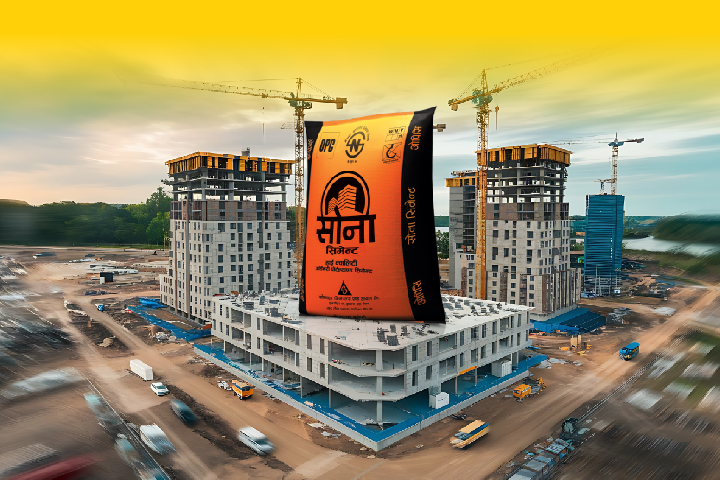
Nepal lies in a highly active seismic zone, making earthquake-resistant construction a top priority for homeowners, engineers, and developers. One of the most important materials influencing structural safety is cement. Selecting the best cement in Nepal plays a critical role in improving building stability, reducing structural damage risk, and ensuring long-term durability during seismic activity.
Modern construction techniques combined with high quality cement help create structures that can better withstand ground movement. Understanding how cement contributes to earthquake resistance helps builders make informed decisions for safer construction across Nepal.
Why Earthquake-Resistant Construction Is Essential in Nepal
Nepal has experienced several major earthquakes in recent decades, highlighting the importance of strong construction practices. Buildings must be designed with materials capable of handling vibration, stress, and sudden load shifts.
Using best quality cement in Nepal supports:
- Improved structural bonding
- Better load distribution
- Reduced crack formation
- Long-term building durability
Reliable cement plays a central role in strengthening earthquake-resistant structures.
How Cement Improves Earthquake Resistance
Cement acts as the binding material in concrete that connects aggregates and reinforcement steel. Its quality directly affects the flexibility and strength of structural components.
High quality cement improves:
- Bond strength between steel and concrete
- Resistance to sudden stress loads
- Structural integrity of columns and beams
- Durability of foundations and slabs
These properties are essential for buildings constructed in seismic zones.
Best Cement Types for Earthquake-Resistant Buildings
Selecting the right cement type is an important step in building safer structures in Nepal.
OPC Cement Nepal for RCC Structural Strength
OPC cement Nepal is widely used for reinforced concrete structures because of its high early strength and strong bonding properties.
It is suitable for:
- Columns and beams
- Slab casting
- Structural frameworks
- Multi-story buildings
Its strength characteristics support reliable RCC performance.
PPC Cement Nepal for Long-Term Durability
PPC cement Nepal provides improved resistance to moisture and long-term strength development.
It is ideal for:
- Foundation construction
- Masonry work
- Wall plastering
- Mass concrete applications
PPC cement enhances durability in Nepal’s varied climate conditions.
Importance of Strong Foundations for Earthquake Safety
Earthquake-resistant construction begins with a strong foundation. Foundations must distribute building loads evenly and resist soil movement during seismic activity.
Using durable cement helps:
- Improve load transfer to soil
- Reduce settlement risk
- Strengthen footing stability
- Increase structural reliability
PPC cement is commonly recommended for foundation work due to its durability.
Role of Cement in RCC Columns and Beams
Columns and beams form the primary load-bearing system of a building. These elements must remain strong and flexible during earthquakes.
High quality cement improves:
- Bonding with reinforcement steel
- Structural ductility
- Resistance to cracking
- Load-bearing capacity
This ensures safer performance during seismic movement.
Importance of Proper Water-Cement Ratio
The water-cement ratio significantly affects concrete strength and durability. Excess water weakens concrete and increases cracking risk.
Maintaining proper ratio helps:
- Increase compressive strength
- Improve reinforcement bonding
- Reduce shrinkage cracks
- Enhance durability of RCC elements
Controlled mixing ensures better earthquake resistance.
Proper Curing for Strong Structural Performance
Curing is essential for achieving the intended strength of concrete. Without proper curing, cement hydration remains incomplete.
Effective curing practices include:
- Maintaining moisture for at least 7–14 days
- Protecting concrete from direct sunlight
- Avoiding early structural loading
Proper curing improves long-term strength and safety.
Importance of Cement Strength Grade in Seismic Zones
Strength grade plays an important role in determining structural capacity.
- 43 grade cement is suitable for residential buildings
- 53 grade cement is recommended for heavy RCC structures
Using the appropriate strength grade enhances building resilience.
Construction Challenges in Nepal’s Terrain
Nepal’s diverse geography creates additional challenges for earthquake-resistant construction.
- Hilly regions require stable foundations
- Terai areas face soil settlement risks
- Urban zones require multi-story RCC structures
Selecting the best cement in Nepal helps address these regional challenges effectively.
Role of Cement in Slab Stability During Earthquakes
Slabs connect columns and beams, distributing loads across the building structure. Strong slabs reduce the risk of structural failure during seismic activity.
Quality cement ensures:
- Uniform load distribution
- Reduced surface cracking
- Improved slab durability
- Better bonding with reinforcement steel
This contributes to safer building performance.
Importance of Reliable Cement Manufacturing in Nepal
Reliable cement manufacturing in Nepal ensures consistent strength development and predictable performance in structural applications.
Modern production processes include:
- Controlled clinker composition
- Balanced fineness levels
- Accurate setting time control
- Regular strength testing
These quality measures support earthquake-resistant construction.
How to Identify the Best Cement in Nepal for Seismic Safety
Before purchasing cement for construction in seismic zones, builders should verify key quality indicators.
- Check manufacturing date on cement bags
- Confirm strength grade suitability
- Inspect packaging condition
- Ensure proper storage before delivery
Fresh cement ensures reliable structural performance.
Why Sona Cement Supports Earthquake-Resistant Construction
Selecting the best cement in Nepal is essential for improving safety in earthquake-prone regions. Sona Cement, produced by Sonapur Minerals & Oil Ltd., is widely used in foundation work, RCC structures, masonry construction, and slab casting across residential and infrastructure projects in Nepal.
Its consistent strength development and durability make it suitable for structures designed to perform reliably under seismic conditions.
Practical Tips for Safer Construction in Seismic Areas
- Use OPC cement for RCC structural elements
- Select PPC cement for durable foundations
- Maintain proper water-cement ratio
- Ensure continuous curing after casting
Following these practices improves building safety during earthquakes.
Conclusion: Strong Cement Builds Safer Structures in Nepal
Earthquake-resistant construction requires careful planning, quality materials, and proper execution. Selecting the best cement in Nepal improves structural bonding, enhances load-bearing capacity, and reduces the risk of damage during seismic activity.
By using reliable cement from a trusted Nepali cement manufacturer like Sona Cement and following recommended construction practices, homeowners and builders can create safer, stronger, and longer-lasting buildings across Nepal’s seismic regions.