

About Sonapur Minerals & Oil Ltd.
Blogs
RCC Structures in Nepal: Why Choosing the Right Cement Is Critical for Strength and Safety
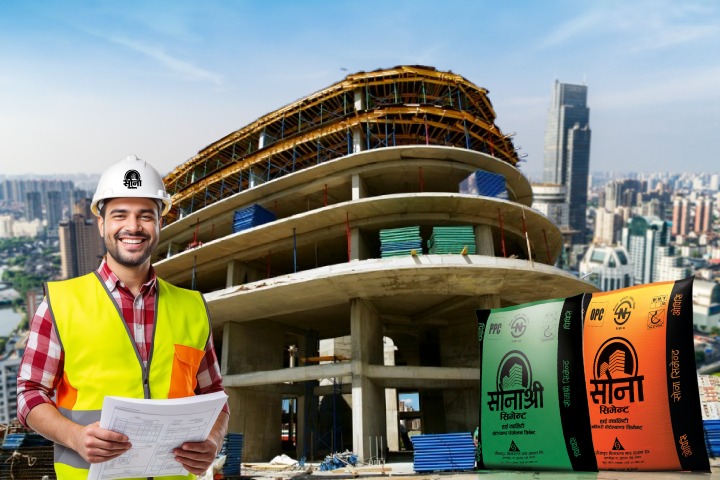
Reinforced Cement Concrete (RCC) structures form the backbone of modern construction in Nepal. From residential houses and commercial complexes to bridges and public buildings, RCC is widely used because of its strength and durability. However, the performance of RCC structures depends heavily on the quality and type of cement used.
In a country like Nepal, where buildings must withstand earthquakes, heavy monsoon rainfall, and varied soil conditions, selecting the right cement for RCC structures is essential for long-term safety and reliability.
What Is an RCC Structure?
RCC stands for Reinforced Cement Concrete. It is a composite material made of:
- Cement
- Sand
- Aggregates
- Water
- Steel reinforcement bars
Cement binds all components together, while steel reinforcement provides tensile strength. Together, they create a strong structural system.
Why Cement Quality Is Crucial in RCC Work
Cement determines how well concrete bonds with reinforcement steel and how much compressive strength the structure can achieve.
Poor-quality cement can result in:
- Low compressive strength
- Weak bonding with steel
- Early cracking
- Reduced earthquake resistance
High quality cement ensures consistent performance and structural stability.
OPC Cement Nepal for RCC Structures
Ordinary Portland Cement (OPC) is commonly used in RCC construction.
OPC cement Nepal provides:
- High early strength
- Strong bonding with reinforcement steel
- Suitable performance for beams, columns, and slabs
It is widely preferred for structural components that must bear heavy loads.
PPC Cement Nepal in RCC Applications
Portland Pozzolana Cement (PPC) is also used in RCC, especially where durability is a priority.
PPC cement Nepal offers:
- Lower heat of hydration
- Improved long-term strength
- Better resistance to moisture
PPC is often chosen for foundations and large structural elements where thermal cracking risk must be minimized.
RCC Structures and Earthquake Resistance
Nepal is located in a high seismic zone, making earthquake-resistant design essential.
High quality cement contributes to:
- Improved ductility of concrete
- Strong bonding between concrete and steel
- Reduced brittle failure during seismic events
Correct cement selection strengthens the entire structural system.
Importance of Strength Grade in RCC
Cement strength grade plays a major role in RCC performance.
- 43 grade cement is suitable for residential buildings
- 53 grade cement is preferred for heavy-duty and high-rise structures
Using the appropriate grade ensures the structure meets design requirements.
Water-Cement Ratio in RCC Construction
The water-cement ratio must be carefully controlled to maintain strength.
Excess water can:
- Reduce compressive strength
- Create pores in concrete
- Increase cracking risk
Proper mix design and compaction improve durability and performance.
Curing Practices for RCC Elements
Proper curing is essential to achieve the intended strength of RCC components.
- Maintain moisture for at least 7–14 days
- Prevent rapid drying in hot weather
- Protect fresh concrete from heavy rain
Correct curing enhances bonding and durability.
Common RCC Construction Mistakes to Avoid
- Using low-quality or expired cement
- Adding excess water for easier mixing
- Skipping proper curing
- Ignoring structural engineering guidelines
Avoiding these mistakes improves structural safety.
Role of Cement in Slab Casting
Slabs are critical RCC elements that support floors and roofs.
Strong cement ensures:
- Crack-resistant slabs
- Uniform load distribution
- Long-term durability under traffic loads
Proper vibration during slab casting further enhances strength.
Importance of Quality Control in Cement Manufacturing
Reliable cement manufacturing in Nepal ensures consistent performance.
Quality control includes:
- Clinker quality monitoring
- Controlled cement composition
- Accurate fineness and setting time testing
- Regular strength verification
Consistency in production leads to predictable on-site results.
Why Choose a Reliable Nepali Cement Company
RCC structures demand dependable cement quality.
A trusted Nepali cement company provides:
- Stable strength grade
- Reliable hydration performance
- Suitability for Nepal’s climate and seismic conditions
Sona Cement, produced by Sonapur Minerals & Oil Ltd., is recognized for consistent quality and dependable performance in RCC applications across Nepal.
Long-Term Benefits of Using Quality Cement in RCC
Using high quality cement results in:
- Stronger load-bearing capacity
- Improved earthquake resistance
- Reduced maintenance costs
- Longer structural lifespan
RCC strength begins with cement quality.
Conclusion: Build Strong RCC Structures with the Right Cement
RCC structures form the core of modern construction in Nepal. Their strength and safety depend largely on selecting the right cement type, maintaining proper mix proportions, and following correct curing practices.
By choosing high quality cement from a reliable Nepali cement company like Sona Cement, builders and homeowners can ensure strong, durable, and earthquake-resistant RCC structures that stand the test of time.