

About Sonapur Minerals & Oil Ltd.
Blogs
Road and Bridge Construction in Nepal: Why Cement Quality Determines Infrastructure Strength
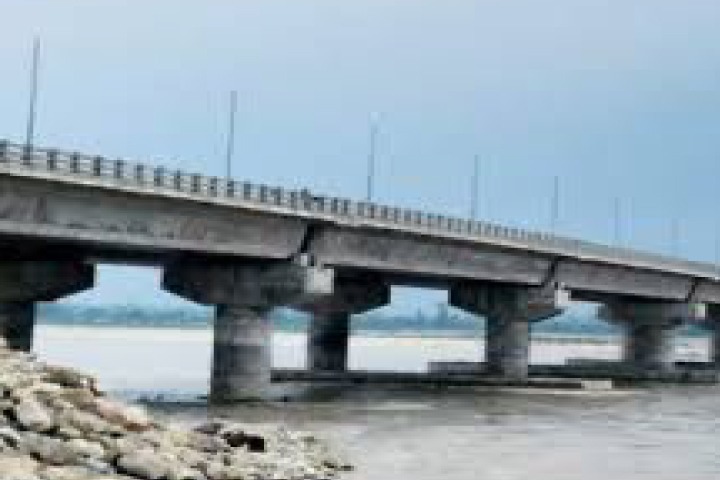
Road and bridge construction in Nepal plays a crucial role in connecting remote regions, supporting trade, and strengthening the national economy. From highways in the Terai to suspension bridges in hilly districts, cement is one of the most important materials used in infrastructure development. The quality of cement directly affects structural safety, durability, and long-term maintenance costs.
In a country like Nepal—where roads pass through mountains, face heavy monsoon rainfall, and endure seismic activity—using high quality cement is essential for building reliable and long-lasting infrastructure.
Importance of Cement in Road Construction
Modern road construction often uses cement in rigid pavements, drainage systems, culverts, and retaining walls.
Cement is used for:
- Concrete pavements
- Roadside drains
- Culverts and small bridges
- Retaining walls in hilly areas
Strong and durable cement ensures roads remain stable despite traffic loads and environmental stress.
Challenges in Nepal’s Terrain
Mountainous Geography
Roads in hilly regions require strong retaining structures to prevent landslides and erosion. Cement for foundation work and retaining walls must provide durability and moisture resistance.
Heavy Monsoon Rainfall
Monsoon conditions increase water exposure and soil movement. Cement with low permeability helps prevent structural damage caused by water infiltration.
Seismic Risk
Earthquakes demand flexible yet strong concrete structures. High quality cement improves bonding with reinforcement steel, increasing earthquake resistance.
Cement for Bridge Construction in Nepal
Bridges require high-performance concrete capable of carrying heavy loads and resisting environmental stress.
Cement is used in:
- Bridge foundations
- Piers and abutments
- Deck slabs
- Precast concrete elements
Consistent cement strength grade is critical to ensure structural reliability.
OPC Cement Nepal for Structural Strength
Ordinary Portland Cement is commonly used in RCC structures for bridges and heavy-duty roads.
OPC cement Nepal offers:
- High early strength
- Strong bonding with steel reinforcement
- Reliable performance in load-bearing structures
This makes it suitable for beams, columns, and slabs in infrastructure projects.
PPC Cement Nepal for Durability
Portland Pozzolana Cement is often used where long-term durability is essential.
PPC cement Nepal provides:
- Lower heat of hydration in mass concrete
- Better resistance to moisture
- Improved long-term strength development
It is suitable for foundations and large concrete pours in bridges and retaining walls.
Controlling Heat in Mass Concrete
Large bridge foundations and road structures involve mass concrete. Excessive heat during hydration can cause internal cracking.
Using cement with controlled heat generation helps:
- Reduce thermal stress
- Minimize cracking risk
- Improve long-term durability
Careful mix design and curing further enhance performance.
Importance of Quality Control in Cement Manufacturing
Infrastructure projects require consistent material performance.
Reliable cement manufacturing in Nepal focuses on:
- Uniform clinker production
- Balanced cement composition
- Controlled fineness and setting time
- Regular strength testing
This ensures predictable results in large-scale construction.
Impact of Cement Quality on Maintenance Costs
Using low-quality cement in road and bridge construction may result in:
- Surface cracks
- Water seepage
- Premature structural deterioration
High quality cement reduces maintenance expenses and extends service life.
Role of Cement in Hydropower Access Roads
Hydropower projects in Nepal require durable access roads and concrete structures. Cement quality determines the reliability of these supporting infrastructures.
Durable cement contributes to:
- Stronger foundations
- Resilient retaining walls
- Improved structural stability
Environmental Considerations in Infrastructure Cement Use
Modern infrastructure development emphasizes durability and efficiency. Strong cement reduces the need for frequent reconstruction, supporting long-term sustainability.
Durable structures mean:
- Less material waste
- Lower repair frequency
- Better resource utilization
Why Choose a Reliable Nepali Cement Company
Infrastructure projects demand consistent quality and reliable supply.
A trusted Nepali cement company ensures:
- Stable strength grade performance
- Suitable cement for both RCC and mass concrete
- Dependable supply for large projects
Sona Cement, produced by Sonapur Minerals & Oil Ltd., is recognized for consistent quality and suitability for road, bridge, and infrastructure construction in Nepal.
Practical Recommendations for Contractors
- Select cement type based on structural requirement
- Maintain proper water-cement ratio
- Ensure adequate curing, especially in hot weather
- Store cement properly at project sites
Professional supervision improves overall construction quality.
Conclusion: Strong Infrastructure Begins with Strong Cement
Road and bridge construction in Nepal faces unique challenges due to terrain, climate, and seismic conditions. Cement quality directly influences structural safety, durability, and long-term performance.
By choosing high quality cement from a reliable Nepali cement company like Sona Cement and following best construction practices, engineers and contractors can build durable roads and bridges that support Nepal’s economic growth and connectivity for decades to come.