

About Sonapur Minerals & Oil Ltd.
Blogs
Water-Cement Ratio in Concrete: Why It Is Critical for Strong Construction in Nepal
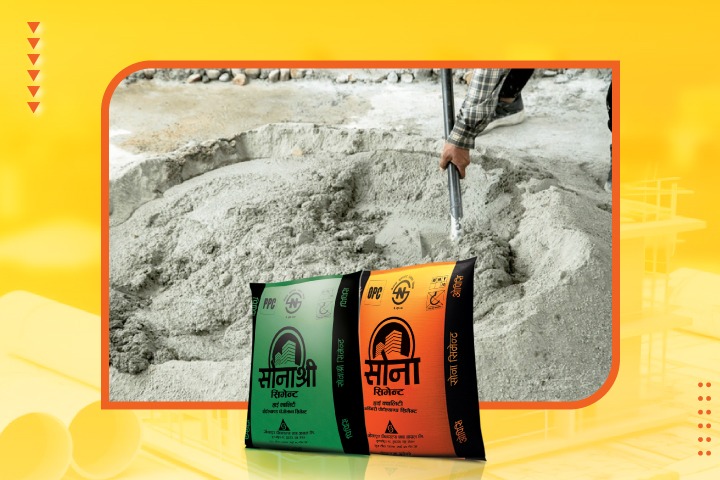
Many construction problems in Nepal—such as cracks in slabs, weak columns, leakage in roofs, and reduced durability—are not caused by poor design, but by incorrect water-cement ratio. On many construction sites, extra water is added to make concrete easier to mix and place. While this may improve workability temporarily, it significantly reduces strength and long-term performance.
Understanding the importance of the water-cement ratio is essential for homeowners, contractors, and engineers who want strong, durable, and earthquake-resistant structures in Nepal.
What Is Water-Cement Ratio?
The water-cement ratio is the proportion of water to cement used in a concrete mix. It is calculated by dividing the weight of water by the weight of cement.
For example:
- If 50 kg of cement is mixed with 25 kg of water, the water-cement ratio is 0.5
This ratio directly affects concrete strength, durability, and permeability.
Why Water-Cement Ratio Matters So Much
Cement needs water for hydration, which is the chemical reaction that gives concrete its strength. However, only a limited amount of water is required for proper hydration.
Excess water:
- Creates pores inside concrete
- Reduces compressive strength
- Increases shrinkage and cracking
- Makes concrete more permeable
In Nepal’s monsoon climate, higher permeability leads to leakage and faster deterioration.
Effect on Strength of Concrete
The lower the water-cement ratio (within proper limits), the higher the strength of concrete.
- Lower ratio = Denser and stronger concrete
- Higher ratio = Weaker and porous concrete
For RCC structures such as columns, beams, and slabs, maintaining the correct ratio is essential for structural safety.
Water-Cement Ratio and Earthquake Resistance
Nepal is located in a high seismic zone. Earthquake-resistant buildings depend on strong and dense concrete.
Improper water-cement ratio can:
- Reduce bonding with reinforcement steel
- Increase crack formation
- Lower load-bearing capacity
Strong cement combined with proper water control improves structural reliability during earthquakes.
Common Mistake: Adding Extra Water on Site
On many construction sites in Nepal, workers add extra water to make concrete easier to pour or finish.
This practice causes:
- Reduced cement strength grade performance
- Surface scaling and cracks
- Lower durability in humid conditions
Instead of adding excess water, proper mix design and mechanical vibration should be used to improve workability.
Ideal Water-Cement Ratio for Different Applications
The ideal ratio depends on the type of construction.
- RCC structures: Typically between 0.4 to 0.5
- Mass concrete: Slightly controlled to manage heat
- Masonry mortar: Adjusted for workability but without excess water
Professional engineering guidance is recommended for structural work.
Role of Cement Type in Water Demand
Different cement types behave differently in terms of water requirement.
OPC Cement Nepal
Ordinary Portland Cement provides high early strength and is commonly used for RCC structures. It requires controlled water to maintain strength and durability.
PPC Cement Nepal
Portland Pozzolana Cement offers better workability and long-term durability. It is widely used for foundations, masonry, and plastering in Nepal.
Regardless of cement type, correct water proportion is essential.
Impact on Durability in Nepal’s Monsoon Climate
Nepal experiences heavy rainfall and high humidity during monsoon.
If concrete has high water-cement ratio:
- Water penetrates easily
- Reinforcement steel corrodes faster
- Surface leakage becomes common
Low permeability concrete performs better in these conditions.
Importance of Proper Curing
Many people confuse adding excess water in the mix with curing. These are completely different.
Correct curing:
- Maintains moisture after placement
- Supports full cement hydration
- Improves final strength
Curing should continue for at least 7–14 days, depending on weather conditions.
Quality Cement and Water-Cement Ratio
Using high quality cement ensures predictable strength development when mixed properly.
Reliable cement manufacturing in Nepal focuses on:
- Consistent cement composition
- Controlled fineness and setting time
- Stable strength performance
This consistency allows proper mix design and dependable results.
Practical Tips for Builders and Homeowners
- Never add extra water to increase workability
- Follow recommended mix proportions
- Use mechanical vibration for compaction
- Ensure proper curing after placement
- Choose cement suitable for the construction stage
Small improvements in mixing practice lead to major improvements in durability.
Why Choose a Reliable Nepali Cement Brand
Consistent cement quality supports accurate water-cement ratio control.
Sona Cement, produced by Sonapur Minerals & Oil Ltd., is known for reliable strength development and consistent performance, making it suitable for RCC structures, foundations, masonry, and plastering across Nepal.
Long-Term Benefits of Correct Water-Cement Ratio
Maintaining the proper ratio results in:
- Higher compressive strength
- Reduced cracking
- Improved earthquake resistance
- Lower maintenance costs
- Longer structural lifespan
It is one of the simplest yet most powerful ways to improve construction quality.
Conclusion: Control Water to Control Strength
The water-cement ratio is a small technical detail with a huge impact on construction performance. In Nepal’s seismic and monsoon conditions, maintaining the correct ratio is essential for strong, durable, and safe structures.
By using high quality cement from a trusted Nepali cement company like Sona Cement and following proper mixing and curing practices, builders and homeowners can ensure reliable, long-lasting construction. Strong buildings are not just about good materials—they are about using them correctly.