

About Sonapur Minerals & Oil Ltd.
Blogs
Cement Demand in Nepal: How Urbanization and Infrastructure Are Shaping the Construction Market
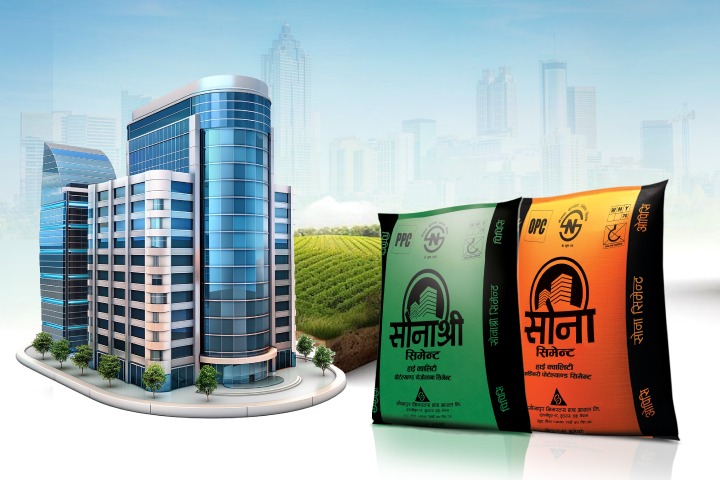
Cement demand in Nepal has been rising steadily over the past decade, driven by rapid urbanization, infrastructure expansion, and increasing private construction activity. From residential housing in growing cities to national infrastructure projects, cement has become a strategic material for Nepal’s economic development. Understanding what drives cement demand helps builders, policymakers, and buyers make informed decisions about material selection and long-term planning.
This blog explores the key factors influencing cement demand in Nepal, how construction trends are evolving, and why choosing high quality cement from a reliable Nepali cement company is essential in a growing market.
Urbanization and Housing Growth in Nepal
Nepal is experiencing significant urban growth. Migration from rural areas to cities and the expansion of municipalities have increased the need for housing and commercial buildings.
Urbanization drives cement demand through:
- New residential house construction
- Apartment and housing colony development
- Commercial buildings such as offices and shops
- Renovation and rebuilding of older structures
As cities expand vertically and horizontally, demand for cement for RCC structures, slabs, and foundations continues to grow.
Infrastructure Development as a Major Demand Driver
Infrastructure development is one of the strongest contributors to cement demand in Nepal.
Large-scale projects include:
- Road and highway construction
- Bridges and flyovers
- Hydropower projects
- Government buildings and public facilities
Such projects consume large volumes of cement and require consistent quality to ensure safety and long-term performance.
Role of Cement in Earthquake-Resistant Reconstruction
After major earthquakes, reconstruction and retrofitting activities significantly increase cement consumption.
Earthquake-resistant construction requires:
- High quality cement for RCC structures
- Durable cement for foundations and masonry
- Consistent strength for structural safety
Rebuilding efforts across Nepal continue to sustain cement demand, especially in seismic zones.
Private Housing and Individual Home Construction
Individual house construction remains a major contributor to cement demand.
Homeowners typically use cement for:
- Foundation and footing work
- Columns, beams, and slabs
- Masonry and plastering
As awareness about construction quality increases, buyers are prioritizing durable cement over short-term cost savings.
OPC and PPC Demand Trends in Nepal
Different cement types contribute differently to overall demand.
Demand for OPC Cement
OPC cement Nepal is in high demand for:
- RCC structures
- Slab casting
- Infrastructure and bridge works
Its higher early strength supports fast-paced construction schedules.
Demand for PPC Cement
PPC cement Nepal is widely used for:
- Foundation work
- Masonry and plastering
- Moisture-prone construction areas
PPC’s durability and long-term performance align well with Nepal’s climate conditions.
Impact of Government Policies and Development Plans
Government investment in infrastructure and housing directly affects cement demand.
Public-sector projects increase:
- Bulk cement consumption
- Demand for consistent quality supply
- Need for reliable cement manufacturing
Stable development policies help create predictable demand patterns for the cement industry.
Seasonal Nature of Cement Demand
Cement demand in Nepal is seasonal.
Peak Construction Season
Dry months see increased construction activity, leading to higher cement consumption.
Monsoon Season
Construction slows in many regions, but infrastructure and indoor works may continue.
During monsoon, cement quality and proper storage become more important than volume alone.
Importance of Cement Quality in a Growing Market
As demand increases, the risk of inconsistent quality also rises if buyers focus only on availability.
High demand requires:
- Strict quality control in cement plants
- Consistent cement composition
- Reliable strength development
Using low-quality cement during high-demand periods often leads to long-term structural problems.
Role of Local Cement Manufacturing in Meeting Demand
Domestic cement manufacturing plays a key role in meeting Nepal’s construction needs.
Local cement factories offer:
- Better supply stability
- Understanding of local construction conditions
- Reduced dependence on external sources
Reliable Nepali cement companies help ensure timely availability and consistent performance.
Economic Impact of Cement Demand Growth
Rising cement demand contributes to economic activity.
It supports:
- Employment in manufacturing and construction
- Development of local supply chains
- Growth of infrastructure and housing sectors
At the same time, quality-focused growth ensures sustainable development.
Why Buyers Should Focus on Value, Not Just Demand
High demand can sometimes create pressure to choose cement quickly.
Buyers should still evaluate:
- Cement suitability for the construction stage
- Consistency of strength and setting behavior
- Reputation of the cement factory
Smart selection reduces risk in a fast-moving market.
Role of a Reliable Nepali Cement Brand
As cement demand in Nepal grows, reliability becomes more important than ever.
A trusted Nepali cement company ensures:
- Consistent quality during high-demand periods
- Stable supply for small and large projects
- Performance suited to Nepal’s climate and seismic conditions
Sona Cement, produced by Sonapur Minerals & Oil Ltd., is a reliable cement brand supporting Nepal’s construction growth through consistent quality and dependable performance.
Future Outlook for Cement Demand in Nepal
With continued urbanization, infrastructure expansion, and housing needs, cement demand in Nepal is expected to remain strong.
Future demand will increasingly favor:
- Durable and high quality cement
- Cement suitable for earthquake-resistant construction
- Reliable supply from domestic manufacturers
Quality-focused growth will define the next phase of the cement industry.
Conclusion: Growing Demand Requires Responsible Cement Choices
Cement demand in Nepal reflects the country’s development journey—from urban housing to national infrastructure. As construction activity increases, the importance of cement quality becomes even more critical.
By choosing high quality cement from a trusted Nepali cement company like Sona Cement and focusing on long-term performance rather than short-term availability, builders and homeowners can support safe, durable, and sustainable construction. Rising demand should go hand in hand with responsible material selection to build a stronger Nepal for the future.