

About Sonapur Minerals & Oil Ltd.
Blogs
Quality Control in Cement Manufacturing in Nepal: How Reliable Cement Is Produced
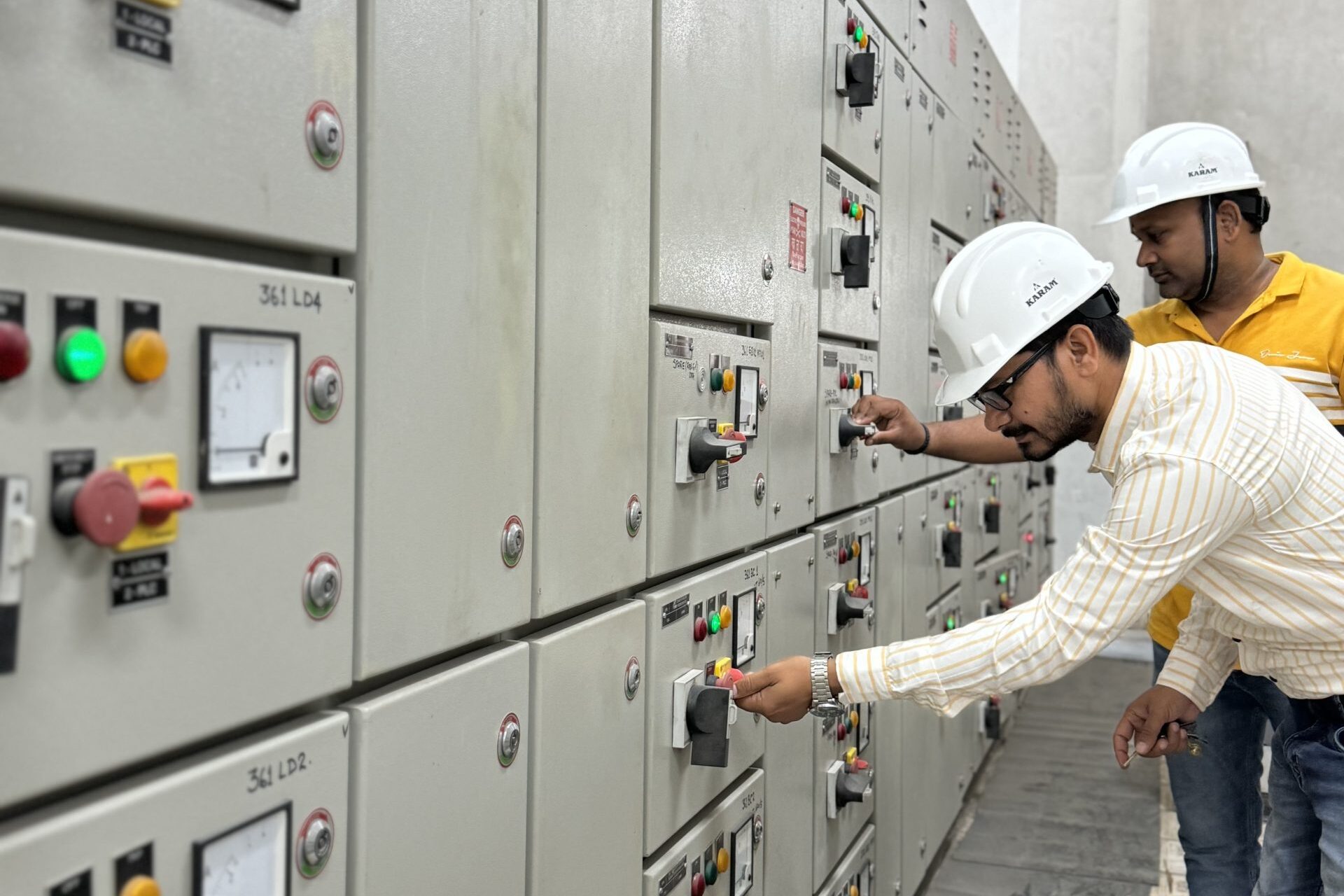
When builders and homeowners choose cement, they often judge it by brand reputation or past experience. However, the real strength and reliability of cement depend on what happens inside the cement factory. Quality control in cement manufacturing is the backbone of consistent strength, durability, and performance. In Nepal, where construction must withstand earthquakes, monsoon rainfall, and diverse terrain, strict quality control is not optional—it is essential.
This blog explains how quality control works in cement manufacturing in Nepal, why it matters for construction safety, and how choosing cement from a reliable Nepali cement company ensures dependable results on-site.
Why Quality Control Is Critical in Cement Manufacturing
Cement is a highly engineered material. Small variations in raw materials, grinding, or blending can lead to significant differences in strength and setting behavior.
Without proper quality control, cement may cause:
- Inconsistent strength development
- Unpredictable setting time
- Poor bonding with aggregates and steel
- Early cracking and durability problems
In Nepal’s seismic environment, such inconsistencies directly affect structural safety.
Raw Material Quality Control
Quality control begins before cement production starts.
Limestone and Clay Selection
Limestone and clay are the primary raw materials. Their chemical composition must remain within controlled limits.
Proper raw material control ensures:
- Stable clinker quality
- Predictable cement strength grade
- Balanced cement composition
Reliable cement factories in Nepal regularly test raw materials to maintain consistency.
Clinker Production and Quality Monitoring
Clinker is the heart of cement quality. It is produced by heating raw materials at very high temperatures.
Quality control during clinker production focuses on:
- Uniform kiln temperature
- Controlled chemical reactions
- Proper formation of strength-giving compounds
Any variation at this stage affects final cement performance.
Grinding and Blending Control
After clinker production, it is ground with gypsum and other materials.
Control of Cement Fineness
Cement fineness affects hydration rate and workability.
Proper fineness control ensures:
- Balanced early and long-term strength
- Smooth plastering and masonry work
- Reduced cracking risk
Gypsum and Additive Proportioning
Gypsum regulates setting time. Incorrect dosage can cause cement to set too fast or too slowly.
Accurate blending ensures predictable setting behavior in real construction conditions.
Testing Cement Properties in the Laboratory
Laboratory testing is a key part of quality control in cement manufacturing in Nepal.
Common tests include:
- Fineness test
- Initial and final setting time tests
- Compressive strength test
- Soundness test
These tests verify that cement meets required cement quality standards before dispatch.
Batch-to-Batch Consistency
Consistency is more important than achieving very high strength in one batch.
Batch consistency ensures:
- Uniform performance across RCC elements
- Reduced weak zones in structures
- Predictable construction outcomes
Consistent cement quality is especially important for large projects and earthquake-resistant buildings.
Quality Control for OPC and PPC Cement
Different cement types require different control strategies.
OPC Cement Quality Control
Ordinary Portland Cement requires:
- Strict clinker quality control
- Precise fineness management
- Controlled setting time
This ensures strong bonding and high early strength for RCC work.
PPC Cement Quality Control
Portland Pozzolana Cement involves additional blending control.
Quality control focuses on:
- Uniform distribution of pozzolanic material
- Stable long-term strength development
- Lower heat of hydration
This makes PPC suitable for foundations, masonry, and plastering in Nepal.
Importance of Quality Control for Monsoon Construction
Nepal’s monsoon season puts cement performance to the test.
Well-controlled cement:
- Resists moisture-related strength loss
- Maintains setting behavior in humid conditions
- Reduces surface defects and dampness
Poor-quality cement often fails during monsoon exposure.
Role of Quality Control in Earthquake-Resistant Construction
Earthquake resistance depends on predictable material behavior.
Quality-controlled cement helps:
- Improve RCC ductility
- Enhance bonding with reinforcement steel
- Reduce brittle failure during seismic events
This directly contributes to safer buildings in Nepal.
Factory-Level vs Site-Level Quality Control
Quality control does not end at the factory gate.
While cement manufacturing ensures base quality, site-level practices must include:
- Proper cement storage and handling
- Correct water-cement ratio
- Adequate curing
Both factory and site practices work together to achieve final performance.
Why Choosing a Reliable Nepali Cement Company Matters
Not all cement factories follow the same quality standards.
A reliable Nepali cement company invests in:
- Modern testing laboratories
- Trained technical staff
- Continuous monitoring and improvement
Sona Cement, produced by Sonapur Minerals & Oil Ltd., is known for maintaining strict quality control across raw materials, production, and testing, ensuring consistent and reliable cement for Nepal’s construction needs.
Long-Term Benefits of Quality-Controlled Cement
Using cement manufactured under strict quality control provides:
- Higher structural safety
- Lower maintenance and repair costs
- Improved durability
- Greater confidence for builders and homeowners
Quality control reduces risks and increases value over a building’s life.
Practical Tips for Buyers and Builders
When buying cement in Nepal:
- Choose brands known for consistent quality
- Check manufacturing date and storage condition
- Use cement appropriate for each construction stage
- Follow proper curing and mixing practices
These steps ensure cement performs as intended.
Conclusion: Quality Cement Is Made, Not Assumed
Quality control is the unseen process that determines how cement performs in real construction. From raw material selection to laboratory testing, every step in cement manufacturing influences strength, durability, and safety.
By choosing high quality cement from a trusted Nepali cement company like Sona Cement—where quality control is an integral part of production—builders and homeowners can ensure strong, durable, and earthquake-resistant construction. In the end, reliable buildings begin with reliably made cement.