

About Sonapur Minerals & Oil Ltd.
Blogs
Cement for Slab Casting in Nepal: How to Ensure Strength, Safety, and Long-Term Performance
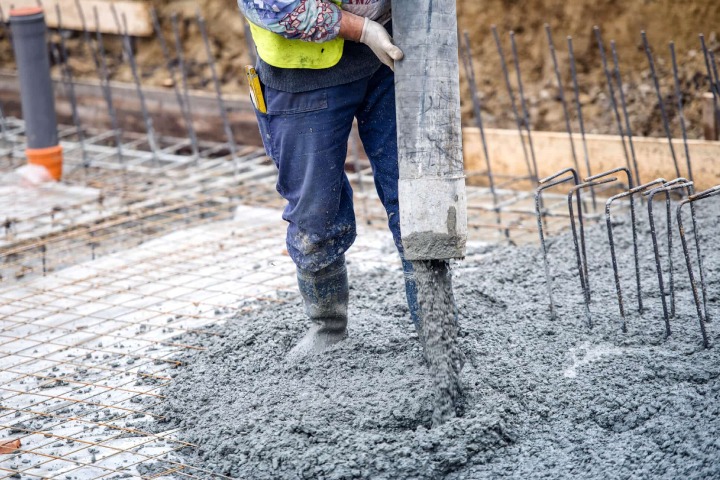
Slab casting is one of the most critical stages in any building project in Nepal. A slab carries the weight of walls, floors, furniture, and occupants, and it must also resist seismic forces and environmental stress. Many slab failures—such as cracks, deflection, or leakage—are not caused by design alone, but by improper cement selection and poor execution.
This blog explains which cement is best for slab casting in Nepal, the technical requirements involved, and best practices to ensure strong, durable, and earthquake-resistant slabs using high quality cement.
Why Cement Selection Matters for Slab Casting
A concrete slab works primarily in compression and bending. Cement plays a central role by binding aggregates and creating a strong matrix around steel reinforcement. If cement quality is inconsistent or unsuitable, slab performance is compromised.
Incorrect cement choice can lead to:
- Early-age cracking
- Low load-bearing capacity
- Weak bonding with reinforcement steel
- Long-term deflection and durability issues
In Nepal’s seismic environment, slab quality directly affects overall structural safety.
Key Cement Properties Required for Slab Casting
Slab casting demands cement with specific technical characteristics.
High Early Strength
Slabs often need to support construction loads within a short period. Cement used for slab casting should gain strength efficiently without compromising long-term performance.
Strong Bonding with Steel
Proper cement hydration ensures strong adhesion between concrete and reinforcement bars. This bond is essential for resisting bending and seismic forces.
Controlled Setting Time
Cement must not set too fast or too slow. Adequate setting time allows proper placement, vibration, and finishing of slab concrete.
Best Cement Type for Slab Casting in Nepal
Among available options, Ordinary Portland Cement is most commonly preferred for slab casting.
OPC Cement for Slab Casting
OPC cement Nepal is widely used for slabs due to its higher early strength and reliable structural performance.
Advantages include:
- Rapid strength development
- Excellent bonding with reinforcement steel
- Suitable for RCC slabs and floors
OPC cement is ideal when construction schedules require timely removal of formwork.
Can PPC Cement Be Used for Slabs?
PPC cement Nepal can be used for slab casting under proper engineering guidance.
PPC offers:
- Lower heat of hydration
- Better long-term durability
- Reduced risk of thermal cracking
For thicker slabs or mass concrete, PPC cement can help control cracking if curing is done properly.
Slab Casting and Earthquake Resistance in Nepal
Nepal lies in a high seismic zone, making slab performance crucial during earthquakes.
High quality cement helps slabs:
- Transfer seismic forces efficiently
- Work integrally with beams and columns
- Reduce brittle failure
Using strong cement with consistent strength development improves slab ductility and safety.
Effect of Monsoon Climate on Slab Cement Performance
Slab casting during monsoon presents additional challenges.
Cement used must:
- Maintain strength in humid conditions
- Resist water penetration
- Develop proper hydration despite moisture variation
Proper protection, water control, and curing are essential during rainy seasons.
Importance of Correct Water-Cement Ratio
Even the best cement will fail if mixed with excess water.
Correct water-cement ratio:
- Improves compressive strength
- Reduces porosity and leakage
- Enhances long-term durability
Adding extra water for workability weakens slab concrete significantly.
Role of Curing in Slab Strength
Curing is one of the most neglected steps in slab casting.
Proper curing:
- Allows complete cement hydration
- Reduces surface cracking
- Improves final strength
Slabs should be cured for at least 14 days, especially in hot or dry conditions.
Quality Control in Cement for Slab Casting
Consistency in cement quality is essential for slab reliability.
Reliable cement manufacturing in Nepal includes:
- Uniform clinker quality
- Controlled fineness and setting time
- Regular cement testing methods
- Strict quality control processes
Sona Cement, produced by Sonapur Minerals & Oil Ltd., is a trusted Nepali cement brand known for consistent quality suitable for slab casting and RCC structures.
Common Slab Casting Cement Mistakes to Avoid
Many slab defects result from avoidable errors.
- Using moisture-damaged or expired cement
- Adding excess water during mixing
- Inadequate vibration and compaction
- Skipping or shortening curing duration
Avoiding these mistakes significantly improves slab performance.
Long-Term Benefits of Using the Right Cement for Slabs
Using high quality cement for slab casting provides long-term advantages.
- Higher load-bearing capacity
- Reduced cracking and leakage
- Improved earthquake resistance
- Longer building lifespan
Quality cement ensures slabs remain strong throughout the building’s life.
Practical Tips for Homeowners and Builders
For safe and durable slab casting in Nepal:
- Prefer OPC cement for RCC slabs
- Ensure correct mix design and water control
- Protect fresh slabs from rain and sun
- Never compromise on cement quality
Professional supervision further improves construction quality.
Conclusion: Strong Slabs Begin with the Right Cement
Slab casting is a critical structural activity that demands careful cement selection, proper execution, and strict quality control. In Nepal’s seismic and climatic conditions, using the right cement for slab casting is essential for safety and durability.
By choosing high quality cement from a reliable Nepali cement company like Sona Cement and following best slab casting practices, builders and homeowners can ensure strong, durable, and earthquake-resistant slabs that support safe construction for generations.