

About Sonapur Minerals & Oil Ltd.
Blogs
Cement for Masonry Work in Nepal: Best Practices for Strong and Durable Brickwork
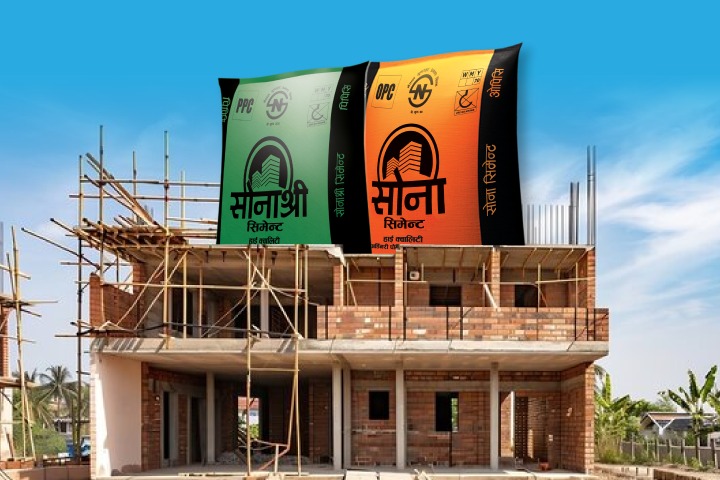
Masonry work forms the backbone of most residential and low-rise construction in Nepal. From brick walls and block partitions to boundary walls and load-distributing elements, masonry relies heavily on the quality of cement used in mortar. Many common problems such as weak walls, plaster separation, and moisture seepage originate from improper cement selection or poor masonry practices.
This blog explains which cement is best for masonry work in Nepal, how cement properties affect brickwork strength, and practical guidelines to achieve durable, long-lasting masonry using high quality cement.
Why Cement Choice Matters in Masonry Work
Masonry mortar is not just a filler between bricks or blocks. It plays a structural role by distributing loads evenly and bonding masonry units into a single system.
Incorrect cement choice can lead to:
- Weak bonding between bricks or blocks
- Cracks along mortar joints
- Poor resistance to moisture and dampness
- Reduced overall wall stability
Using suitable cement ensures balanced strength, flexibility, and durability in masonry work.
Best Cement Type for Masonry Work in Nepal
For most masonry applications in Nepal, Portland Pozzolana Cement is considered the most suitable option.
PPC Cement for Masonry
PPC cement Nepal offers characteristics that align well with masonry requirements.
Key advantages include:
- Better workability of mortar
- Improved bonding with bricks and blocks
- Lower shrinkage, reducing joint cracks
- Better resistance to moisture penetration
PPC cement allows masons sufficient working time, which is important for achieving uniform joint thickness and proper alignment.
OPC Cement in Masonry: Use with Care
OPC cement Nepal develops strength quickly, which is not always desirable for masonry mortar.
Using OPC in masonry may:
- Reduce workability
- Increase shrinkage cracks
- Make joints too rigid
OPC may be used in limited cases under engineering guidance, but PPC is generally preferred for brickwork.
Importance of Balanced Mortar Strength
A common misconception is that stronger mortar always means stronger walls. In reality, mortar should be slightly weaker than bricks or blocks.
Balanced mortar strength helps:
- Absorb minor movements without cracking
- Prevent damage to masonry units
- Improve long-term wall durability
PPC cement naturally supports this balance, making it ideal for masonry in Nepal’s seismic conditions.
Effect of Nepal’s Climate on Masonry Cement
Nepal’s climate has a direct influence on masonry performance.
Monsoon Conditions
High humidity and rainfall can weaken mortar joints if cement quality is poor.
PPC cement offers:
- Lower permeability
- Better resistance to dampness
- Improved durability in wet conditions
Dry and Hot Weather
Rapid drying of mortar increases the risk of shrinkage cracks.
Cement with controlled hydration reduces this risk and improves joint integrity.
Correct Sand and Cement Ratio for Masonry Work
Even the best cement cannot perform well if mortar proportions are incorrect.
Good masonry practices include:
- Using clean, well-graded sand
- Avoiding excessive cement content
- Maintaining consistent mixing ratios
Too much cement makes mortar brittle, while too little reduces bonding strength.
Role of Cement Fineness and Setting Time
Cement fineness affects how well mortar coats bricks and fills surface irregularities.
High quality cement ensures:
- Smooth mortar texture
- Uniform joint appearance
- Predictable setting behavior
Controlled setting time allows proper placement and finishing of masonry joints.
Masonry Work and Earthquake Resistance
In Nepal’s seismic zones, masonry walls must accommodate small movements without sudden failure.
Proper cement selection helps:
- Reduce brittle cracking
- Improve energy absorption
- Enhance overall wall stability
Using flexible yet durable mortar is especially important for non-load-bearing walls.
Importance of Curing in Masonry Mortar
Curing is often neglected in masonry work, but it is essential for strength development.
Proper curing:
- Improves bonding strength
- Reduces surface cracking
- Enhances moisture resistance
Light curing for several days helps mortar achieve optimal performance.
Common Masonry Cement Mistakes to Avoid
Many masonry defects are caused by simple but costly errors.
- Using moisture-damaged cement
- Applying mortar on dry or dusty bricks
- Skipping curing completely
- Using overly rich mortar mixes
Avoiding these mistakes significantly improves masonry quality.
Why Cement Quality Consistency Matters
Masonry work requires cement that behaves consistently from bag to bag.
Reliable cement manufacturing in Nepal ensures:
- Uniform cement composition
- Consistent fineness and setting time
- Predictable mortar performance
Sona Cement, produced by Sonapur Minerals & Oil Ltd., is a trusted Nepali cement brand known for consistent quality suitable for masonry, plastering, and structural applications.
Practical Tips for Homeowners and Builders
For strong and durable masonry work:
- Prefer PPC cement for brick and block work
- Use clean sand and proper mixing ratios
- Ensure adequate curing
- Do not compromise on cement quality
Good masonry practices improve both structural reliability and appearance.
Conclusion: Strong Masonry Begins with the Right Cement
Masonry work is fundamental to most buildings in Nepal, and its quality depends largely on cement selection and application. PPC cement offers the right balance of strength, flexibility, and durability required for brickwork under Nepal’s climatic and seismic conditions.
By choosing high quality cement from a reliable Nepali cement company like Sona Cement and following best masonry practices, homeowners and builders can ensure strong, durable walls that support safe, long-lasting construction. Strong masonry is not accidental—it is built with the right cement and the right approach.