

About Sonapur Minerals & Oil Ltd.
Blogs
Cement for Plastering Work in Nepal: How to Achieve Smooth and Crack-Free Finishes
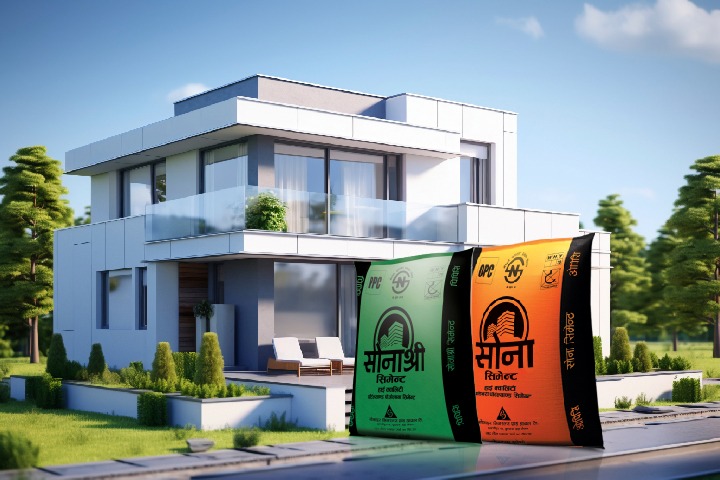
Plastering is one of the most visible stages of house construction in Nepal. Even when the structure is strong, poor plaster quality can ruin the appearance of a building and lead to cracks, dampness, and frequent repairs. Many plastering defects are not caused by workmanship alone, but by incorrect cement selection and improper application.
This blog explains which cement is best for plastering work in Nepal, the technical reasons behind the choice, and practical tips to achieve smooth, durable, and crack-free plaster using high quality cement.
Why Cement Choice Matters for Plastering
Plastering serves both functional and aesthetic purposes. It protects walls from moisture, improves durability, and provides a smooth surface for paint or finishing.
If the wrong cement is used, plaster may develop:
- Shrinkage cracks
- Poor surface finish
- Dusting and powdering
- Damp patches during monsoon
Using the right cement ensures better workability, proper bonding, and long-term durability.
Best Cement Type for Plastering in Nepal
Among the available cement types, Portland Pozzolana Cement is widely preferred for plastering work in Nepal.
PPC Cement for Plastering
PPC cement Nepal offers properties that are ideal for plaster applications.
Key benefits include:
- Better workability and smoother finish
- Lower heat of hydration
- Reduced shrinkage cracks
- Improved resistance to moisture
PPC cement allows masons more working time, which is especially helpful in hot or dry weather.
Is OPC Cement Suitable for Plastering?
OPC cement Nepal can be used for plastering, but it requires more care.
OPC plastering may:
- Set faster, reducing finishing time
- Increase risk of shrinkage cracks
- Require strict water control and curing
For these reasons, PPC cement is generally considered more suitable for plastering work.
Internal vs External Plastering: Cement Considerations
Plastering requirements differ based on wall exposure.
Internal Plastering
Internal walls require smoothness and crack resistance.
- PPC cement provides better finishing
- Lower risk of surface cracks
- Improved bonding with sand
External Plastering
External walls face rain, sunlight, and temperature changes.
- PPC cement offers better durability
- Lower water permeability
- Improved performance during monsoon
Using durable cement for external plastering helps protect walls from long-term damage.
Effect of Nepal’s Climate on Plastering Cement
Nepal’s climate has a direct impact on plaster performance.
Monsoon Season
High humidity and rainfall increase the risk of dampness and peeling plaster.
Cement with lower permeability performs better under these conditions.
Hot and Dry Weather
Rapid drying can cause shrinkage cracks if cement sets too quickly.
PPC cement reduces this risk by allowing gradual hydration.
Correct Sand and Cement Ratio for Plastering
Even the best cement will fail if mixed incorrectly.
Recommended practices include:
- Use clean, well-graded sand
- Avoid excessive cement content
- Maintain consistent mixing proportions
Excess cement does not improve plaster quality; it often increases cracking.
Importance of Cement Fineness and Consistency
Cement fineness affects surface smoothness.
High quality cement ensures:
- Uniform texture
- Better bonding with sand
- Consistent setting time
Reliable cement manufacturing in Nepal focuses on uniform fineness and strict quality control.
Proper Curing for Plaster Durability
Curing is often neglected in plastering, leading to weak surfaces.
Proper curing helps:
- Prevent surface cracking
- Improve strength development
- Enhance moisture resistance
Plaster should be cured gently for several days, especially during hot or dry conditions.
Common Plastering Mistakes to Avoid
Many plaster defects are caused by avoidable mistakes.
- Using moisture-damaged cement
- Applying plaster on dry or dusty walls
- Skipping curing
- Using incorrect sand quality
Avoiding these errors significantly improves plaster performance.
Role of Cement Quality in Long-Term Finish
Plaster is the first layer that protects masonry and RCC elements.
High quality cement helps:
- Maintain smooth surface over time
- Reduce repainting frequency
- Prevent damp-related defects
This improves both appearance and building lifespan.
Why Choose a Reliable Nepali Cement Brand
Plastering requires cement with consistent behavior from bag to bag.
A reliable Nepali cement company ensures:
- Uniform cement composition
- Predictable setting time
- Stable workability
Sona Cement, produced by Sonapur Minerals & Oil Ltd., is widely used for plastering and finishing work across Nepal due to its consistent quality and suitability for local climate conditions.
Practical Tips for Homeowners and Builders
For high-quality plastering results:
- Prefer PPC cement for plaster work
- Use clean sand and correct mix ratios
- Ensure proper curing
- Do not rush finishing work
Small precautions make a big difference in plaster durability.
Conclusion: Smooth Finishes Start with the Right Cement
Plastering quality depends heavily on cement selection, handling, and curing. In Nepal’s climate, PPC cement offers better workability, reduced cracking, and long-term durability for both internal and external plastering.
By choosing high quality cement from a trusted Nepali cement company like Sona Cement and following proper plastering practices, homeowners and builders can achieve smooth, crack-free finishes that enhance both appearance and protection of their buildings for years to come.