

About Sonapur Minerals & Oil Ltd.
Blogs
Vastu Tips for Cement Use and Storage in Nepalese House Construction
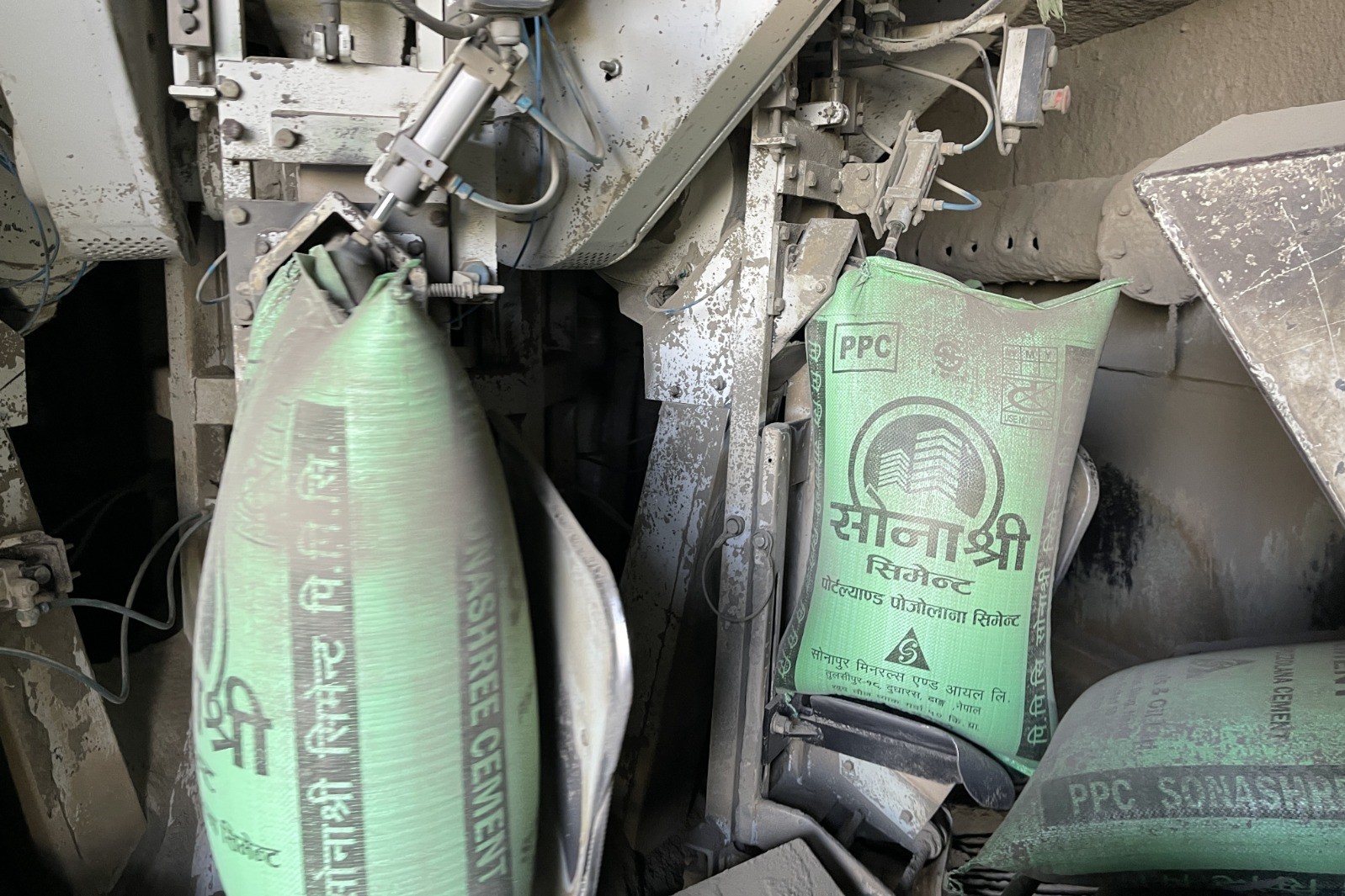
In Nepal, house construction is not guided by engineering principles alone. Vastu Shastra plays an important role in how people plan, build, and organize their homes. While layout, direction, and room placement receive much attention, construction materials—especially cement—are often ignored from a Vastu perspective. However, improper storage or careless use of cement can affect not only construction quality but also harmony, safety, and long-term durability of a house.
This blog explains practical Vastu tips related to cement use and cement storage during house construction in Nepal, while also aligning them with modern engineering practices. The goal is to help homeowners build strong, durable, and balanced homes using high quality cement.
Why Cement Matters in Vastu and Construction
Cement represents stability, bonding, and permanence in a structure. From a construction point of view, cement holds the building together. From a Vastu perspective, it symbolizes the strength of the house and the well-being of the occupants.
Using strong cement and handling it correctly helps ensure:
- Structural stability and safety
- Positive energy flow during construction
- Reduced chances of defects and repairs
- Long-term durability of the house
In Nepal, where houses must withstand earthquakes and monsoon conditions, combining Vastu awareness with technical cement selection is especially important.
Vastu-Recommended Direction for Cement Storage
During construction, cement bags are often stored on-site for weeks or months. Vastu Shastra provides guidance on where construction materials should be placed.
Best Direction for Cement Storage
According to Vastu principles:
- The South-West direction is considered ideal for storing heavy materials like cement
- This direction represents stability and strength
- Storing cement here supports structural balance
From a practical point of view, the South-West area is usually less exposed to direct rain and wind, which also helps protect cement from moisture damage.
Directions to Avoid
It is generally advised to avoid storing cement in:
- North-East direction (considered sacred and light)
- Center of the plot
- Near water sources or drainage areas
These locations increase the risk of moisture exposure and are also considered unfavorable in Vastu.
Vastu Tips for Cement Storage Height and Arrangement
Vastu emphasizes cleanliness, order, and balance. Cement storage should reflect these principles.
Recommended practices include:
- Keep cement bags on raised wooden platforms
- Avoid direct contact with soil or concrete floors
- Stack bags neatly and uniformly
- Do not scatter cement bags around the site
These practices not only follow Vastu guidelines but also protect cement quality by preventing premature hydration.
Choosing the Right Cement Type for House Construction
Vastu encourages harmony and long-term peace, which aligns well with using durable and reliable cement.
PPC Cement and Vastu Compatibility
Portland Pozzolana Cement is associated with long-term stability and calm strength.
PPC cement Nepal is suitable for:
- Foundation work
- Masonry and plastering
- Areas exposed to moisture
Its slow and steady strength development matches the Vastu principle of gradual and balanced growth.
OPC Cement and Structural Strength
Ordinary Portland Cement provides high early strength and is essential for RCC structures.
OPC cement Nepal is best used for:
- Columns and beams
- Slab casting
- Load-bearing RCC elements
From a Vastu perspective, strong structural elements ensure protection and security for the household.
Vastu Timing Considerations When Using Cement
Many homeowners in Nepal consider auspicious timing for construction activities.
While cement hydration is a chemical process that must follow engineering rules, Vastu-friendly practices include:
- Avoiding cement work during extremely inauspicious days if possible
- Ensuring foundation concrete is not left incomplete for long periods
- Completing RCC pours in a single continuous operation
Technically, continuous pouring also improves structural quality, aligning both Vastu and engineering principles.
Cleanliness and Cement Handling from a Vastu View
Vastu places strong emphasis on cleanliness at construction sites.
Good practices include:
- Cleaning spilled cement regularly
- Avoiding cement wastage and clutter
- Keeping storage areas dry and organized
From a technical standpoint, clean handling ensures accurate mix proportions and better cement hydration.
Link Between Cement Quality and Positive Living
Cracks, dampness, and structural repairs often create mental stress for homeowners. While these are engineering issues, they also affect the perceived harmony of the house.
Using high quality cement helps:
- Reduce cracks and leakage
- Improve long-term comfort
- Lower maintenance-related disturbances
This directly supports the Vastu goal of peaceful and stable living.
Role of a Reliable Nepali Cement Brand
Vastu emphasizes trust and reliability in construction. This begins with material selection.
A reliable Nepali cement company ensures:
- Consistent cement quality
- Predictable strength development
- Better compatibility with Nepal’s climate
Sona Cement, produced by Sonapur Minerals & Oil Ltd., is widely used in house construction across Nepal due to its consistent performance, durability, and suitability for both structural and finishing work.
Common Mistakes to Avoid
Some common mistakes that affect both Vastu balance and construction quality include:
- Storing cement near water tanks or drains
- Leaving cement bags exposed during monsoon
- Using moisture-damaged or expired cement
- Ignoring proper curing after cement work
Avoiding these mistakes improves both structural safety and overall harmony.
Practical Tips for Homeowners in Nepal
If you are building a house:
- Plan a dedicated cement storage area in the South-West
- Use PPC and OPC cement appropriately based on work type
- Follow proper curing for all cement-based work
- Do not compromise on cement quality to save cost
These steps ensure technical reliability and Vastu balance.
Conclusion: Balance Strength and Harmony with the Right Cement
Vastu and modern engineering are not opposing ideas—they complement each other when applied wisely. Proper cement selection, correct storage direction, and careful handling help create homes that are strong, durable, and harmonious.
By using high quality cement from a trusted Nepali cement company like Sona Cement and following practical Vastu guidelines, homeowners in Nepal can build houses that are structurally safe, environmentally suitable, and mentally comforting. Strong foundations and balanced planning together create homes that truly last.