

About Sonapur Minerals & Oil Ltd.
Blogs
Cement Testing Methods in Nepal: How Quality Is Verified Before Construction
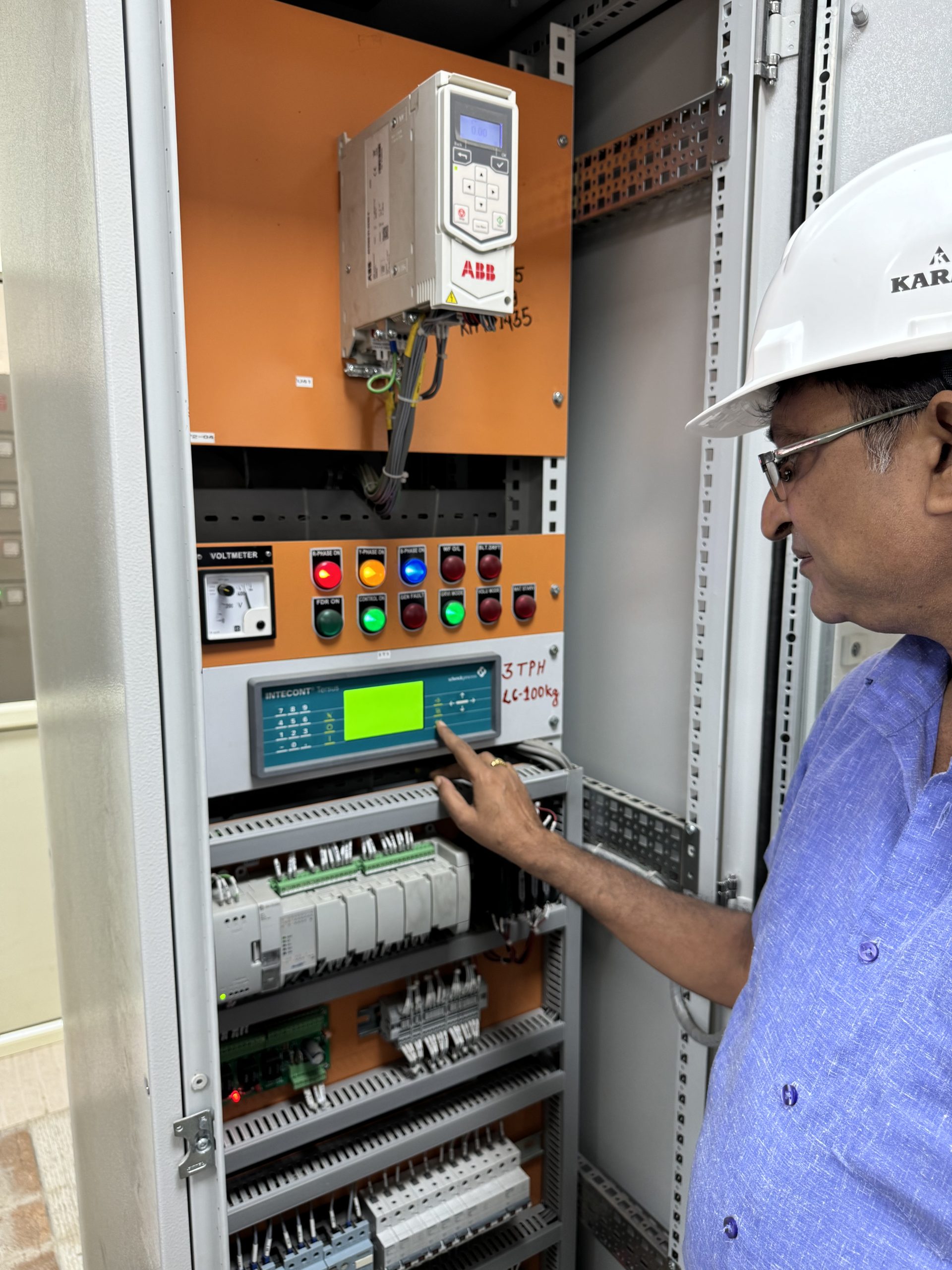
In Nepal’s construction sector, cement quality is not a matter of opinion—it is a matter of testing. Whether a project is a small residential house or a large infrastructure development, the performance of cement must be verified before it becomes part of a structure. Cement testing ensures that strength, durability, and safety standards are met under Nepal’s unique climatic and seismic conditions.
This blog explains the most important cement testing methods used in Nepal, why they matter, and how proper testing protects buildings from long-term failure. It also highlights why choosing high quality cement from a reliable Nepali cement company like Sona Cement makes a critical difference.
Why Cement Testing Is Essential in Nepal
Nepal faces multiple construction challenges: frequent earthquakes, heavy monsoon rainfall, humidity, and wide temperature variations. Cement used without proper testing can lead to serious structural problems.
Cement testing helps ensure:
- Required strength for RCC structures
- Consistency across cement batches
- Durability in moist and aggressive environments
- Safety in earthquake-resistant buildings
Testing transforms cement from a raw material into a trusted construction component.
Testing Cement at the Manufacturing Stage
Cement manufacturing in Nepal involves strict quality control at the factory level. Before cement reaches the market, it undergoes several laboratory tests.
Reliable cement factories focus on:
- Raw material consistency
- Clinker quality verification
- Controlled grinding and blending
- Regular sampling and testing
This ensures that cement meets required cement quality standards before distribution.
Fineness Test of Cement
Cement fineness affects the rate of hydration and strength development. Very coarse cement hydrates slowly, while extremely fine cement may increase water demand.
The fineness test checks:
- Uniform particle size distribution
- Consistency in grinding quality
- Proper strength development behavior
Good fineness improves workability and long-term durability, especially for plastering and masonry work.
Setting Time Test
Setting time determines how long cement remains workable after mixing with water.
Initial Setting Time
This indicates the time available for mixing, placing, and finishing concrete.
Final Setting Time
This shows when cement fully hardens and gains initial rigidity.
Controlled setting time is essential for:
- Proper compaction in RCC structures
- Avoiding cold joints
- Ensuring good bonding with steel reinforcement
Cement with abnormal setting time can cause weak concrete and surface defects.
Compressive Strength Test
The compressive strength test is the most important cement testing method. It measures how much load hardened cement mortar can withstand.
This test determines:
- Cement strength grade
- Suitability for structural work
- Performance for slab casting and RCC elements
High quality cement consistently meets strength requirements at different curing ages, such as 7 days and 28 days.
Soundness Test of Cement
Soundness refers to the ability of cement to retain its volume after setting. Unsound cement expands excessively, causing cracks and structural damage.
The soundness test checks:
- Presence of excess lime or magnesia
- Volume stability of hardened cement
- Long-term dimensional reliability
Sound cement ensures crack-free foundations and durable RCC structures.
Consistency Test
The consistency test determines the amount of water required to produce cement paste of standard consistency.
This test helps:
- Control water-cement ratio
- Ensure uniform workability
- Improve repeatability in concrete mixing
Correct consistency is essential for predictable cement hydration and strength development.
Heat of Hydration Test
Heat of hydration refers to the heat released when cement reacts with water. Excessive heat can cause thermal cracking, especially in large concrete sections.
This test is important for:
- Foundation work
- Mass concrete structures
- Monsoon and hot-weather construction
PPC cement Nepal generally produces lower heat of hydration, making it suitable for long-term durability.
Testing Cement at the Construction Site
While laboratory tests are essential, site-level checks also play an important role.
Simple on-site checks include:
- Checking cement color and texture
- Ensuring cement is free from lumps
- Verifying manufacturing date
- Proper cement storage and handling
These checks help avoid using moisture-damaged or expired cement.
Importance of Testing for Earthquake-Resistant Construction
In Nepal’s seismic environment, cement must perform reliably under cyclic loading.
Proper testing ensures:
- Strong bond between cement and steel
- Reduced brittle failure
- Improved energy absorption during earthquakes
Tested cement significantly improves the safety of earthquake-resistant buildings.
Quality Control and Consistency in Cement Manufacturing
Testing is not a one-time activity. Reliable cement brands maintain continuous quality control.
Quality-focused cement factories in Nepal emphasize:
- Regular laboratory testing
- Batch-to-batch consistency
- Controlled cement composition
- Compliance with national standards
Sona Cement, produced by Sonapur Minerals & Oil Ltd., follows systematic testing and quality control processes to deliver dependable cement for Nepal’s construction needs.
Why Tested Cement Saves Long-Term Costs
Using untested or inconsistent cement may reduce short-term expenses but increases long-term risks.
Properly tested cement leads to:
- Lower maintenance and repair costs
- Longer building lifespan
- Improved safety and reliability
- Better performance in harsh environments
Quality assurance through testing is an investment, not an expense.
What Builders and Homeowners Should Remember
When choosing cement in Nepal:
- Prefer cement from a reliable cement factory
- Check manufacturing date and storage condition
- Use cement appropriate for the application
- Follow recommended curing and mixing practices
Testing ensures cement performs as expected when used correctly.
Conclusion: Cement Testing Builds Confidence in Construction
Cement testing is the foundation of safe and durable construction in Nepal. From fineness and setting time to compressive strength and soundness, each test plays a role in ensuring reliable performance.
By choosing high quality cement from a trusted Nepali cement company like Sona Cement—where testing and quality control are integral to manufacturing—builders and homeowners can construct strong, durable, and earthquake-resistant structures with confidence. Tested cement builds trust, and trust builds lasting structures.