

About Sonapur Minerals & Oil Ltd.
Blogs
Best Cement for Foundation Work in Nepal: A Technical and Practical Guide
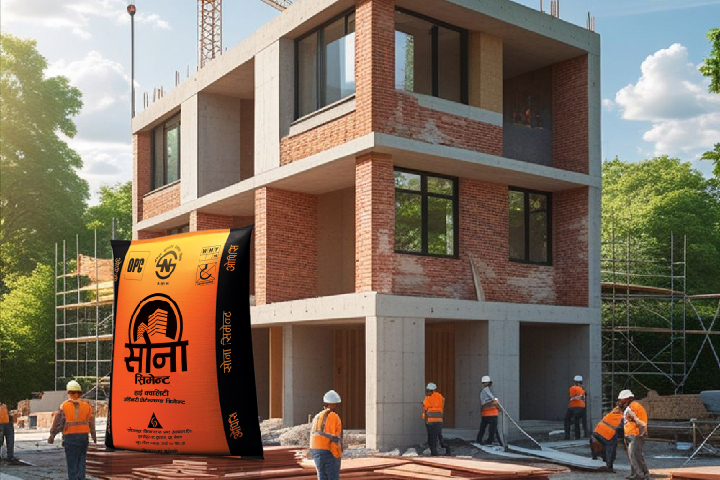
The foundation is the most critical part of any building. In Nepal, where soil conditions vary widely and structures must withstand earthquakes, monsoon moisture, and long-term loading, choosing the right cement for foundation work is not optional—it is essential. Many structural problems seen years later often originate from weak or poorly constructed foundations.
This blog explains which cement is best for foundation work in Nepal, the technical reasons behind the choice, and practical guidance for homeowners and builders to ensure safe, durable, and long-lasting construction using high quality cement.
Why Foundation Cement Selection Matters in Nepal
Foundations transfer the entire load of a building to the ground. If the cement used in foundation concrete is weak, inconsistent, or unsuitable for local conditions, the structure above becomes vulnerable.
In Nepal, foundation cement must handle:
- Variable soil types across Terai, Hills, and Valley regions
- High groundwater levels and moisture during monsoon
- Seismic stresses from earthquakes
- Long-term load without strength loss
This makes foundation cement selection a technical decision, not just a cost-based one.
Key Cement Properties Required for Foundation Work
Not all cement types perform equally well below ground level. Foundation cement must possess specific properties to ensure durability.
Long-Term Strength Development
Foundations do not require rapid early strength. Instead, they need cement that gains strength steadily over time and maintains it for decades.
Durable cement ensures:
- Stable load-bearing capacity
- Reduced internal cracking
- Better resistance to settlement
Low Permeability
Moisture penetration is a major threat to foundations in Nepal. Cement with lower permeability reduces water ingress and protects reinforcement from corrosion.
Resistance to Chemical and Soil Attack
Cement used in foundations is constantly exposed to soil minerals and groundwater. Quality cement resists chemical reactions that weaken concrete over time.
PPC Cement for Foundation Work in Nepal
Portland Pozzolana Cement is widely considered the most suitable option for foundation work in Nepal.
Key advantages of PPC cement Nepal include:
- Lower heat of hydration, reducing thermal cracks
- Better long-term strength gain
- Improved resistance to moisture and chemical attack
- Reduced permeability of concrete
These properties make PPC cement ideal for footing, raft foundations, and underground structural elements.
Is OPC Cement Suitable for Foundations?
Ordinary Portland Cement is known for high early strength, but this is not always necessary for foundation work.
OPC cement Nepal can be used for foundations when:
- Fast construction schedules demand early strength
- Soil conditions are dry and stable
- Proper curing is strictly maintained
However, OPC generates higher heat during hydration, which can increase cracking risk in mass concrete foundations if not managed carefully.
Foundation Cement Choice Based on Soil Conditions
Nepal’s soil conditions vary significantly, and cement selection should reflect this.
Terai Region
High moisture content and soft soil demand cement with better durability.
- PPC cement is strongly recommended
- Better resistance to groundwater effects
Hills and Valley Areas
Mixed soil conditions and seismic sensitivity require balanced performance.
- PPC for most foundation work
- OPC may be used under engineer supervision
Rocky and Mountain Regions
Stable rocky soil allows flexibility, but durability is still important.
- PPC preferred for long-term safety
- Proper curing remains essential
Role of Cement Quality in Earthquake-Resistant Foundations
Earthquake-resistant buildings begin at the foundation level. Cement quality affects how the foundation absorbs and distributes seismic energy.
High quality cement helps:
- Improve bonding between concrete and reinforcement steel
- Reduce brittle failure during seismic movement
- Enhance overall structural stability
Using strong cement from a reliable cement factory in Nepal is a key step in seismic safety.
Importance of Quality Control in Foundation Cement
Foundation work allows no compromise on consistency. Cement used must meet strict cement quality standards.
Reliable cement manufacturing in Nepal focuses on:
- Uniform cement composition
- Controlled fineness and setting time
- Consistent clinker quality
- Regular cement testing methods
Sona Cement, produced by Sonapur Minerals & Oil Ltd., is a trusted Nepali cement brand known for consistent quality suitable for foundation and structural applications.
Common Foundation Cement Mistakes to Avoid
Many foundation failures are caused by avoidable errors.
- Using cheap or inconsistent cement
- Incorrect water-cement ratio
- Poor curing practices
- Using expired or moisture-damaged cement
Even the best cement in Nepal will underperform if these mistakes are not avoided.
Practical Tips for Homeowners and Builders
For safe foundation construction in Nepal:
- Consult a structural engineer before cement selection
- Prefer PPC cement for most foundation work
- Ensure proper curing for at least 14 days
- Store cement correctly to avoid moisture exposure
These steps significantly improve foundation strength and building lifespan.
Long-Term Cost Benefits of Using the Right Cement
Foundation repairs are expensive and disruptive. Using durable cement from the beginning reduces:
- Future repair costs
- Structural settlement risks
- Water leakage and dampness issues
- Safety concerns over time
High quality cement is a long-term investment, not an added expense.
Conclusion: Strong Foundations Start with the Right Cement
In Nepal’s challenging construction environment, foundation cement selection is a decision that directly affects safety, durability, and peace of mind. PPC cement is generally the best choice for foundation work due to its long-term strength and moisture resistance, while OPC can be used selectively under proper supervision.
By choosing high quality cement from a reliable Nepali cement company like Sona Cement and following correct construction practices, homeowners and builders can ensure strong foundations that support safe, durable, and earthquake-resistant buildings for generations to come.