

About Sonapur Minerals & Oil Ltd.
Blogs
How to Choose the Right Cement for House Construction in Nepal
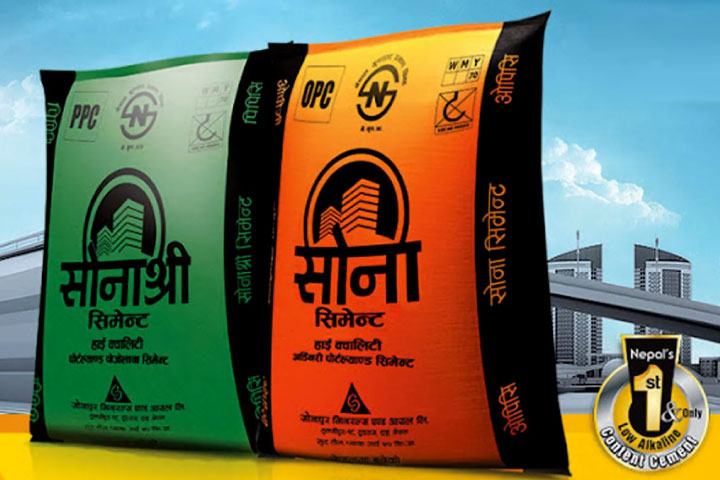
Building a house in Nepal is a lifetime investment. From land selection to structural design, every decision affects safety, durability, and long-term value. Among all construction materials, cement plays the most critical role. Yet many homeowners still ask the same question: Which cement is best for house construction in Nepal?
The answer depends on Nepal’s unique climate, seismic risks, construction practices, and the specific stage of work. This detailed guide explains how to choose the right cement for house construction in Nepal, helping you make an informed, technically sound, and future-proof decision.
Why Cement Selection Is Critical in Nepal
Nepal’s construction environment is unlike many other countries. Houses must withstand earthquakes, heavy monsoon rainfall, humidity, and temperature variation across regions.
Choosing the wrong cement can lead to:
- Cracks in slabs and walls
- Weak foundations
- Poor bonding with steel reinforcement
- Higher maintenance and repair costs
Using high quality cement from a reliable Nepali cement company ensures safety, durability, and peace of mind.
Understand the Two Main Cement Types Used in Nepal
Before buying cement, it is important to understand the two most commonly used types in Nepal.
Ordinary Portland Cement (OPC)
OPC cement Nepal is known for its higher early strength. It gains strength quickly and is widely used in structural components.
Best uses of OPC cement include:
- RCC columns and beams
- Slab casting
- Structural elements requiring early strength
OPC is ideal when construction speed and load-bearing capacity are critical.
Portland Pozzolana Cement (PPC)
PPC cement Nepal contains pozzolanic materials that improve long-term durability. It gains strength gradually and performs well in Nepal’s climate.
Best uses of PPC cement include:
- Foundation work
- Masonry work
- Plastering and finishing
PPC cement offers better resistance to moisture and reduces surface cracking.
Match Cement Type with Construction Stage
One of the most common mistakes in house construction is using the same cement type for every activity. Each stage has different technical requirements.
Foundation Work
Foundations are exposed to soil moisture and long-term loads. Durability is more important than fast strength.
- PPC cement is generally preferred
- Provides better long-term strength and stability
- Improves resistance to moisture and chemical attack
RCC Structure (Columns, Beams, Slabs)
RCC structures demand strong bonding with steel and higher compressive strength.
- OPC cement is commonly used
- Ensures strong cement hydration and load-bearing capacity
- Essential for earthquake-resistant buildings
Masonry and Plastering
For brickwork and plastering, workability and crack resistance matter most.
- PPC cement offers smoother finish
- Reduces shrinkage cracks
- Improves overall surface durability
Consider Nepal’s Seismic Conditions
Nepal lies in a high seismic zone, making earthquake resistance a top priority. Cement quality directly affects how a structure behaves during seismic movement.
Strong cement helps:
- Improve bonding between concrete and steel
- Reduce brittle failure
- Enhance energy absorption during earthquakes
Using durable cement with consistent strength is essential for safe house construction in Nepal.
Check Cement Quality Standards and Consistency
Not all cement bags perform the same, even within the same category. Consistency is key.
Reliable cement factories in Nepal focus on:
- Uniform cement composition
- Controlled fineness and setting time
- Regular cement testing methods
- Strict quality control in cement plants
Sona Cement, produced by Sonapur Minerals & Oil Ltd., is known as a reliable cement brand that delivers consistent quality suitable for Nepal’s construction needs.
Climate and Monsoon Considerations
Heavy rainfall and humidity during monsoon can affect cement performance if not handled correctly.
When choosing cement:
- Select cement with stable long-term strength
- Ensure proper cement storage and handling
- Avoid using moisture-damaged cement
PPC cement often performs better in monsoon conditions due to its lower heat of hydration and improved durability.
Common Cement Buying Mistakes to Avoid
Many homeowners unknowingly compromise construction quality by making these mistakes:
- Choosing cement based only on price
- Using expired or lumped cement
- Ignoring engineer recommendations
- Using one cement type for all work
A proper cement buying guide in Nepal always prioritizes technical suitability over short-term savings.
Why Choose a Trusted Nepali Cement Brand
Buying cement from an established Nepali cement company offers multiple advantages:
- Better understanding of local construction conditions
- Stable supply and availability
- Consistent quality for house construction
- Technical reliability and trust
Sona Cement has earned recognition as one of the best cement options in Nepal by focusing on durability, strength, and performance across different applications.
Practical Tips for Homeowners
If you are planning to build a house in Nepal:
- Consult your engineer before selecting cement
- Use OPC and PPC strategically, not randomly
- Store cement in dry, elevated conditions
- Never compromise on cement quality
These simple steps significantly improve construction safety and lifespan.
Conclusion: Build Smart with the Right Cement
Choosing the right cement for house construction in Nepal is not about brand popularity alone—it is about understanding technical requirements, local conditions, and long-term performance.
By selecting high quality cement from a trusted Nepali cement company like Sona Cement and using the correct type for each construction stage, homeowners can build strong, durable, and earthquake-resistant houses that stand the test of time. Smart cement selection today ensures a safer home tomorrow.